Everyday Wellness Habits for a Busy Creative Lifestyle

A creative life is rarely neat and predictable. Between changing project deadlines, sudden waves of inspiration, and the routine work of invoices or client edits, standard wellness advice can feel far removed from daily life. Common suggestions-waking at 5:00 AM, meditating quietly for an hour, and preparing the same meals for every weekday-often fail for artists, designers, writers, and independent makers with flexible schedules.
Still, without regular care, the energy needed for original work can fade quickly. Ongoing creativity depends on stable mental energy, a calm nervous system, and physical stamina. Finding that balance does not mean turning your life into a strict office schedule. Simple habits that take little effort-such as drinking enough water, taking planned breaks, or adding supportive supplements like functional mushroom gummies to your morning desk routine-can support your health while helping you keep your creative drive.
1. Start the Day With Mindful Nourishment
Use a Brief Mindfulness Practice To Set Daily Intentions
The first few minutes after waking can affect how your nervous system feels for the rest of the morning. Before picking up your phone to check overnight emails or notifications, give your mind a quiet start. Three to five minutes of slow breathing or gentle stretching can clear some morning fog and ease the rise in cortisol that happens after waking.
You can stretch while still in bed. Reach your arms above your head, lengthen your legs, breathe in slowly to expand your ribs, and roll your wrists and ankles as you breathe out. Add a few slow belly breaths or simple alternate-nostril breathing. This short pause can lower the feeling of urgency and help you choose your priorities before outside demands fill your attention.
Build a Balanced Breakfast With Protein, Fiber, and Healthy Fats
The image of the starving or coffee-powered artist may sound appealing, but missing a proper meal often leads to an afternoon energy drop. Health research suggests that a nutritious breakfast can help balance blood sugar, support heart health, and improve morning focus.
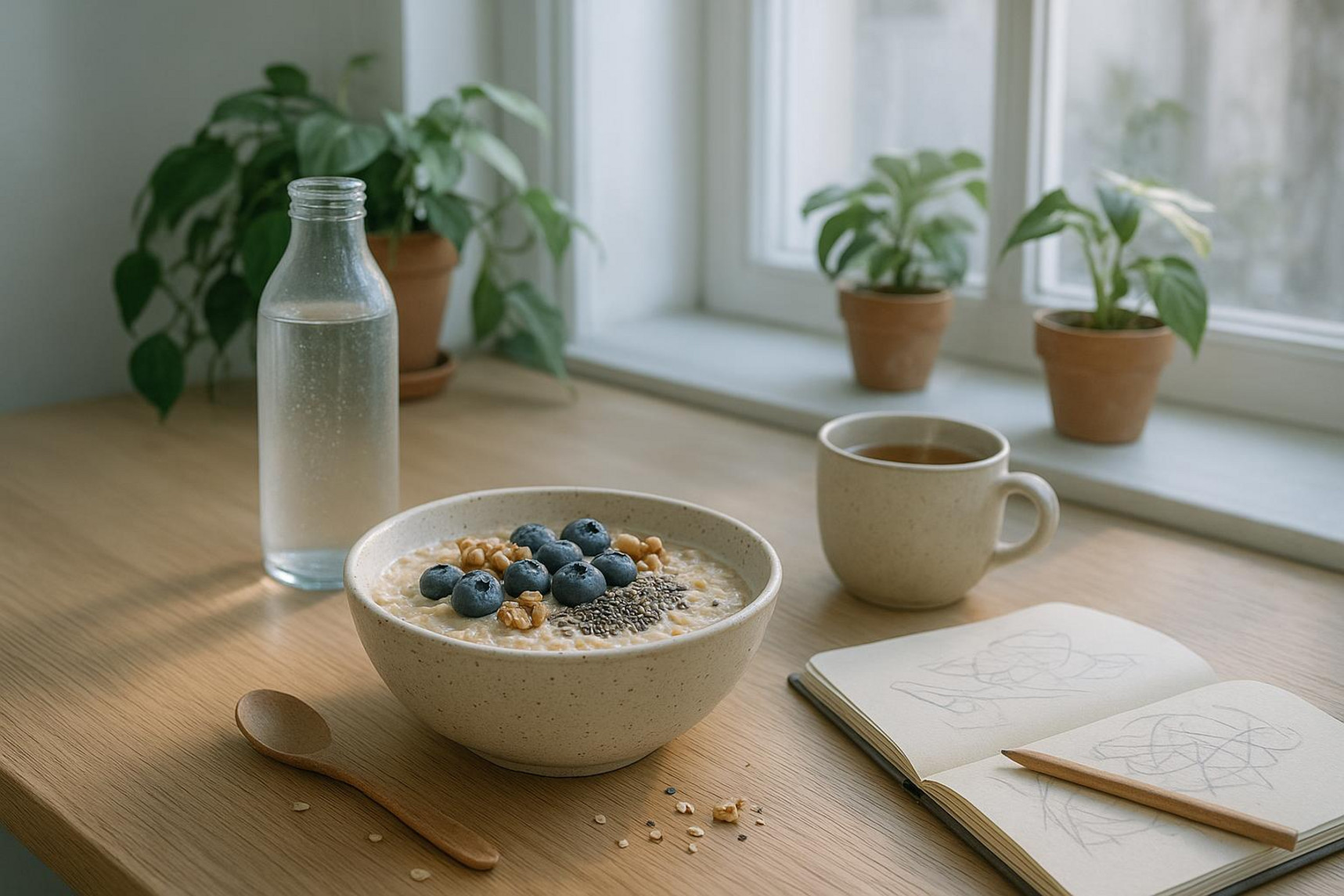
For longer periods of creative work, combine complex carbohydrates, fiber, and filling protein. You might have overnight oats with chia seeds, walnuts, and berries; a warm bowl with eggs, leafy greens, and avocado; or whole-grain toast with smoked salmon. This mix supports steady digestion and provides a slow, even source of energy without the sharp drop that can follow a sugary or very light breakfast.
Plan Portable Meals and Creative Food Substitutions for Busy Days
When you are fully focused on a project, stopping to make an involved lunch can feel unrealistic. Without a plan, it is easy to rely on processed snacks or heavy takeout that leaves you tired. Easy meals that travel well can keep you fed without pulling you too far from your work.
Keep dependable foods near your workspace, such as almonds, cashews, pumpkin seeds, plain Greek yogurt, cucumbers, and bell peppers. If you work at different locations or in shared studios, prepare jars or bento-style containers the night before. Small food changes can also help. Choose dark leafy greens with lemon dressing instead of a heavy cream sauce, or pick a roasted grain bowl instead of greasy fast food. These options provide useful vitamins and minerals while helping you stay clear-headed.
2. Maintain Hydration and Steady Energy
Keep Water Visible and Connect Drinking With Daily Creative Tasks
Water intake affects mental focus. Water helps cushion joints, regulate body temperature, and carry nutrients to the brain. Even a small lack of fluids can lead to headaches and sluggish thinking. If your water bottle is hidden in another room, you may forget about it until you feel very thirsty.
Place a reusable glass bottle or insulated carafe beside your main tools, whether you use a drawing tablet, laptop, or mixing board. Connect drinking water to actions you already take during the day. Have a full glass when you sit down to work, take a few sips each time you export a file or check a proof, and finish another glass before lunch. Keeping water in sight makes regular drinking easier and more automatic.
Recognize Dehydration, Excessive Caffeine, and Energy Crashes
Mild dehydration can feel like tiredness or hunger. Before making another energy drink or brewing a third pot of coffee, check how your body feels. Fatigue, a stiff neck, dry eyes, and trouble focusing on small details may point to low fluid levels rather than true exhaustion.
Increasing caffeine throughout the day can create a cycle of quick energy followed by a hard crash. A morning coffee can support focus, but caffeine added to a body that is hungry and short on fluids may increase tension and shakiness. Try replacing an afternoon espresso with cool water and citrus or a calming herbal tea. This helps you respond to real tiredness instead of covering it up.
3. Add Movement to Long Creative Work Sessions
Improve Posture and Adjust Your Desk, Chair, and Screen Position
Staying still for long periods is one of the less obvious risks of creative work. You may lean over a jeweler’s bench, turn toward a second monitor, or bend over a sketchbook. Poor positioning puts stress on the spine and connective tissue and can cause the muscles that support your body to tighten painfully.
Set up your main workspace with care. Place the screen at eye level so your neck stays in a neutral position. Keep your elbows at a relaxed angle close to ninety degrees, and rest your feet on the floor or a firm footrest. Good alignment helps your muscles last longer, reduces tension headaches, and leaves you with more energy after a long work period.
Take a 10-Minute Walk To Reset Attention and Circulation
When a design feels stuck or a problem has no clear answer, sitting at your desk longer rarely creates a breakthrough. Movement can help the brain find new ideas. Walking, in particular, supports flexible thinking and can help you make connections that are hard to find while staring at a screen.
A relaxed ten-minute walk outside gives your heart and circulation a quick lift and helps settle your nervous system. Natural light supports dopamine activity, while the changing view helps loosen narrow, fixed attention. When you return, you may have a clearer view of the task, better reasoning, and less stiffness in your back and legs.

Use Stretching, Balance Exercises, Stairs, and Bodyweight Movements
You do not need a gym membership or a full hour of free time to stay active. Short “exercise snacks”-bursts of movement lasting thirty to sixty seconds-can support heart and lung health, help regulate energy use, and interrupt long periods of sitting.
Add simple balance and strength movements to short studio pauses:
- Stand on one leg while waiting for software to load or water to boil. This works on balance and core control.
- Walk up two or three flights of stairs at a brisk pace between studio tasks to raise your heart rate.
- Do ten air squats or gentle wall push-ups beside your desk to work several large muscle groups.
- Roll your shoulders back and clasp your hands behind you to open the chest after hours of typing or drawing.
4. Schedule Breaks That Protect Focus and Mental Well-Being
Pause for 5 Minutes After Focused Work Intervals
The idea of working without a break for eight hours comes from factory-style work, not from the needs of original thinking. Focus naturally weakens after long periods of effort. Continuing past that point often brings more mistakes, frustration, and mental tiredness.
Organize your work into focused periods that match your natural energy, often 45 to 90 minutes, followed by five to ten minutes away from the task. A real break means stepping away from mental demands. Scrolling through social media or checking the news still keeps your mind busy. Instead, look out a window, do a short mobility exercise, or make tea. These quiet pauses give your working memory time to reset so the next work period feels clearer.
Use the 20-20-20 Rule To Reduce Digital Eye Strain
Many makers spend long hours looking at high-resolution monitors, tablets, and phones. Staring at objects nearby can reduce blinking, which may lead to dry eyes, blurred vision, and eye strain that drains your energy by afternoon.
Try the 20-20-20 rule: every twenty minutes, look away from your work at something about twenty feet away for at least twenty seconds. This change in focus relaxes the small muscles in the eyes and can reduce strain before it affects your evening work.
5. Manage Screens, Stress, and Creative Pressure
Set Boundaries for Notifications, Email, and Social Media
Creative work needs quiet time for ideas to develop. Digital tools, however, are built to pull attention from one task to another. Research suggests that after one digital interruption, it can take more than twenty minutes to return to full focus on a demanding task.
Protect your work time with clear communication rules. Silence non-essential phone and computer alerts during planned focus periods. Set specific times for email and administrative messages, such as thirty minutes before lunch and thirty minutes at the end of the day. This keeps chat apps and inbox alerts from directing your creative pace.
Use Gratitude, Journaling, or a Brief Reflection To Reframe Setbacks
Creative work often brings emotional strain. Rejected ideas, difficult client comments, and changes in online reach can quickly lead to self-doubt. If these feelings remain unchecked, ongoing low-level anxiety can turn into creative blockage and mental exhaustion.
Create a simple outlet through daily reflection. Spend five minutes writing in a journal or list three specific things you appreciate. This can interrupt negative thought patterns. It also helps to separate instrumental creativity, or work made for clients and income, from restorative creativity, or art made for play and curiosity. Even twenty minutes each week spent on work with no financial goal can bring back enjoyment and support your connection to your craft.
Know When Stress, Low Mood, or Burnout Requires Professional Support
Unstable creative work can carry real mental health risks. Freelancers and independent makers often report more anxiety, isolation, and ongoing low mood than people in the wider workforce. Personal care habits can support well-being, but they cannot treat clinical depression or severe exhaustion by themselves.
Pay attention to your mental limits. If you feel ongoing dread about your work, deep numbness, changes in appetite, or despair that lasts for weeks, contact a licensed therapist, counselor, or primary care provider. Professional help can protect your health, your daily life, and your ability to keep making art over time.
6. Protect Sleep and Recover After a Long Day
Aim for 7 to 9 Hours of Restorative Sleep
Sleep is more than an empty space between workdays. During sleep, the brain stores memories, clears metabolic waste, and brings separate ideas together in ways that can support new creative insight. Ongoing lack of sleep can hurt decision-making, emotional strength, and artistic judgment.
Aim for seven to nine hours of good sleep each night. If you naturally work better late at night, you do not have to force yourself into an early-morning schedule. Sleep length and regularity matter most. Choose a bedtime and wake time that fit your natural pattern while giving you enough rest each night. Small supports, like a relaxing wind-down ritual with natural products from https://circleorganics.co/, can make that routine easier to keep, whatever hour you go to bed.
Create a Consistent Evening Wind-Down Routine
Moving from active problem-solving into sleep usually takes time. Closing your laptop, getting into bed, and expecting your mind to stop at once can leave you thinking about unfinished tasks and project details.
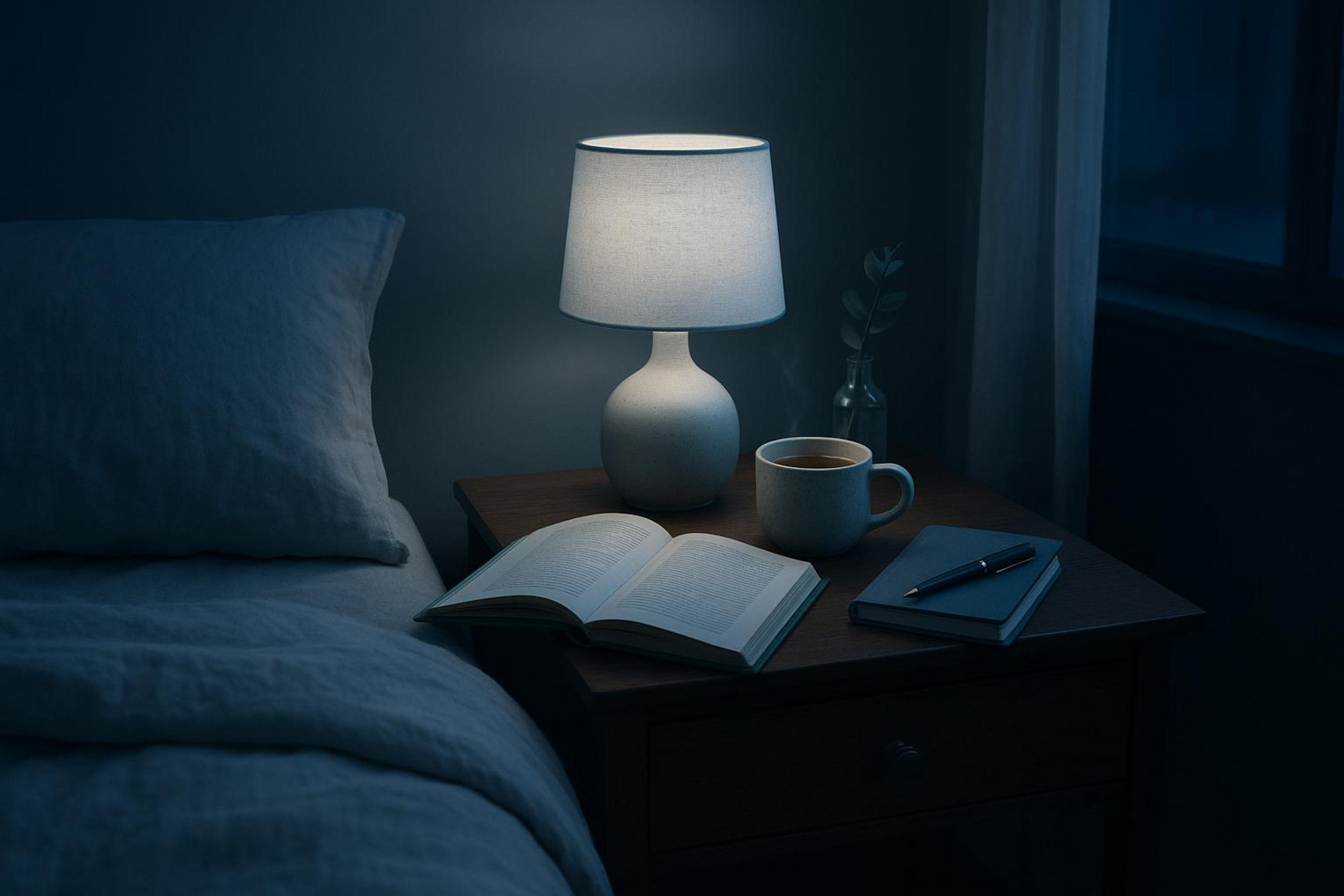
Set up a calming routine that lasts thirty to forty-five minutes. Lower bright overhead lights, replace intense screen content with a physical book or audiobook, and try gentle activities such as light foam rolling or easy yoga stretches. These body signals tell your nervous system that work is finished and make it easier to settle into sleep.
Reduce Late Caffeine, Intense Screen Use, and Unfinished-Work Anxiety
Late work under bright screens can reduce melatonin production and delay REM sleep, which may leave you tired even after spending eight hours in bed. Stop heavy caffeine use at least six to eight hours before bedtime so your body has time to process the stimulant.
If unfinished projects keep your mind active, take five minutes to write a “brain dump” before leaving your desk. List every open task, client note, and deadline on paper. Add the first physical action you will take the next day. Putting these items outside your mind can make it easier to stop thinking about them and sleep without repeated interruptions.
7. Build a Flexible Wellness Routine That Lasts
Pair New Habits With Existing Creative and Household Routines
Habits are easier to keep when they are linked to actions you already do without much thought. Rather than trying to create large new blocks of time, find stable points in your current day.
For example, do five minutes of shoulder exercises while your morning coffee brews. When you shut down your computer, refill your water pitcher and clean your work surface. Linking new habits to familiar actions reduces the need for willpower and lets your current routine help carry them forward.
Choose Minimum, Standard, and High-Energy Versions of Each Habit
All-or-nothing thinking causes many wellness plans to fail during busy production periods. If the only acceptable workout is a perfect sixty-minute session, missing it can lead to doing nothing. Giving each habit several levels helps you stay active through different types of workdays.
Set up three levels for your basic habits:
- Minimum baseline: On high-pressure deadline days, take two minutes for slow breathing, drink three tall glasses of water, and do twenty air squats beside your chair.
- Standard version: On a normal workday, eat a nourishing breakfast while seated, take a brisk fifteen-minute walk, and read for twenty minutes before bed.
- High-energy version: During a calmer studio week, cook fresh meals, complete a full strength workout, and attend a longer restorative yoga class.
Track Habits Without Turning Wellness Into Another Performance Goal
Creative people can easily turn self-care into another area where they feel pressure to be perfect. Complicated tracking apps, detailed body measurements, and strict daily streaks may turn healthy actions into reasons for guilt.
Keep your self-check simple and kind. Use a small notebook or wall calendar to add a checkmark when you care for your body. Treat the record as helpful information, not a score. Missing one day is normal and does not erase your progress. Treat personal wellness as a skill you keep exploring, rather than a test you must pass every day.
Review Your Routine Weekly and Adjust It Around Deadlines
Your schedule does not have to remain fixed. Treat it as a plan that can change with your workload. Research, active creation, revisions, and public release all require different amounts of time and attention.
Spend ten minutes at the end of each week asking what worked and what felt difficult. If a busy period is coming, change your expectations early. Return to your minimum habits, prepare quick meals in advance, and protect your main sleep hours. Regular review lets your wellness plan adapt without falling apart, helping you stay healthy, involved, and ready to create for many years.
Published by
