What to Do After a Hard Workout: Simple Recovery Tips

You know that feeling when you’ve had a good workout, everything seems fine, and then you sit down for an hour?
Getting back up isn’t quite so easy.
It might be your legs after a long run, your shoulders after a tough gym session, or just that general tired feeling that follows a busy training week. Sometimes you notice it straight away. Other times, the soreness doesn’t really arrive until the next morning.
There’s plenty of advice about what you’re supposed to do after exercising. Ice baths, stretching, protein shakes, massage guns. Some of it can be useful, but you don’t need to turn the rest of your day into another workout.
A few things are worth sorting out first.
Start With Food, Water, and Sleep
If you’ve trained hard, especially for an hour or more, you’ll probably be hungry afterward. A meal with some protein and carbohydrates makes sense. It doesn’t have to be a carefully measured bowl of chicken and rice, either. A sandwich, pasta with meat, or whatever you’ve already planned for dinner can work.
Protein helps with muscle repair, while carbohydrates replace some of the energy you’ve used.
Water is another obvious one, although it’s easy to forget when you’re rushing out of the gym. If you’ve been sweating heavily, you’ll need to replace those fluids. After a long run in warm weather, you may also need to think about electrolytes.
And then there’s sleep.
You can have all the recovery equipment in the world, but if you’re sleeping five hours a night and training hard most days, it’s worth dealing with that first.
Don’t Sit Still for the Rest of the Day
After a tough session, it’s tempting to head straight home and collapse on the sofa.
Nothing wrong with putting your feet up. But if you’ve spent the afternoon sitting at a desk after a morning leg workout, you might have noticed how stiff everything feels when you finally stand up.
A little movement can be more comfortable.
Walk around for a few minutes after training. If you’ve been cycling, finish with some easy pedaling. On a rest day, you could take the dog out, walk to the store, or go for a relaxed bike ride.
None of this needs to be recorded as another workout.
You’re moving because it feels good, not because you’re trying to burn more calories or improve your fitness.
And if you’re genuinely exhausted? Take the day off. There’s no rule saying you have to do active recovery every time.
What About an Ice Bath?
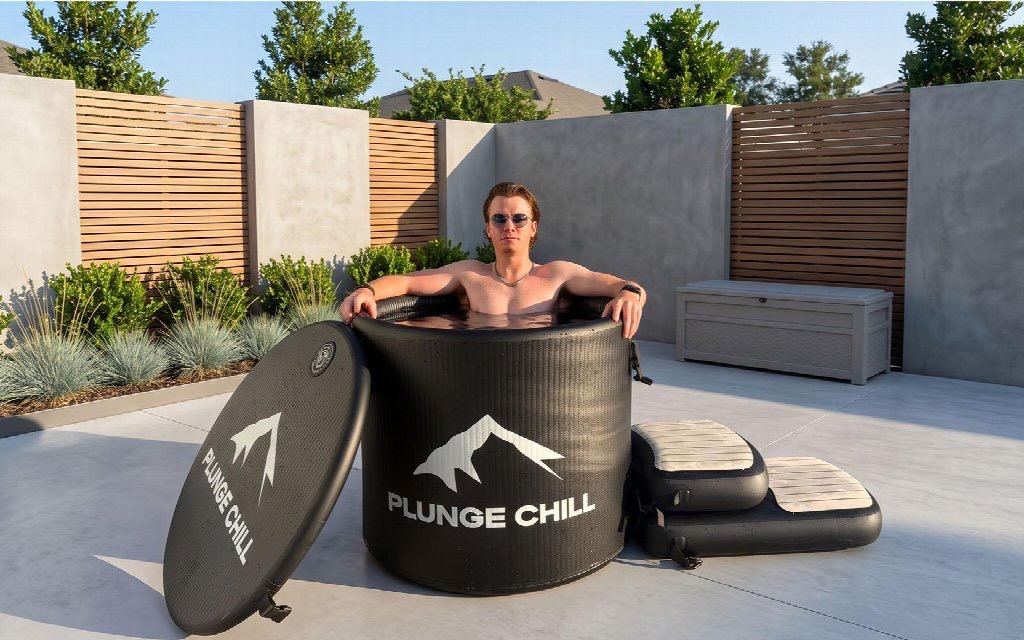
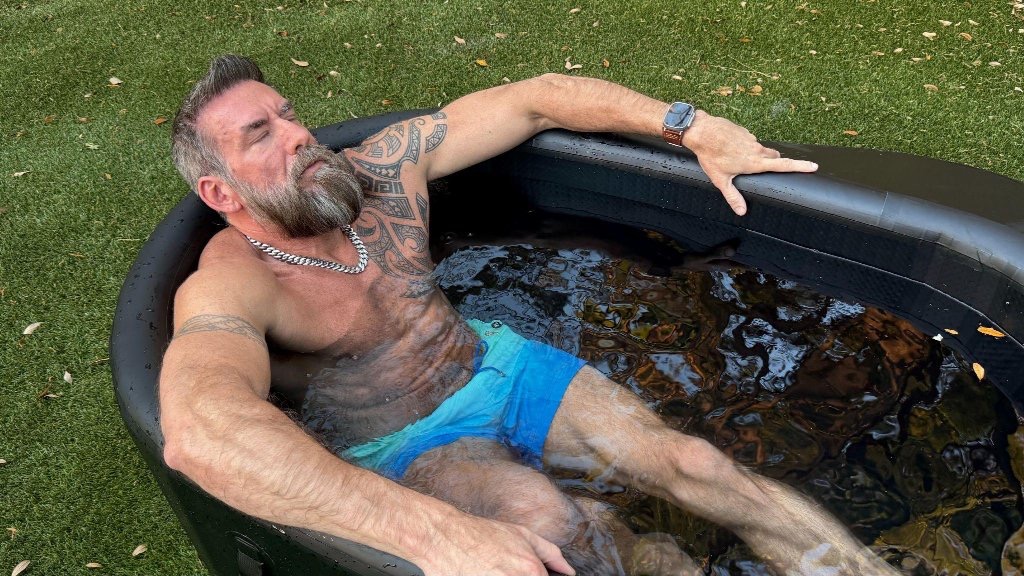
Cold-water immersion has become popular with runners, athletes, and people who train regularly. It’s not unusual to see someone stepping into a cold plunge after a long race or a demanding workout.
There’s some evidence that cold-water immersion can reduce how sore people feel after strenuous exercise. That doesn’t necessarily mean their muscles are repairing faster, though, and it’s worth keeping those two things separate.
For people who enjoy ice baths, the biggest inconvenience often isn’t the cold water itself. It’s getting everything ready.
You fill the tub, add the ice, check the temperature, and wait. If the water started out fairly warm, you may need more ice than expected. Then you’ve got to do it all again next time.
Once or twice? Not a big problem.
Three or four times a week? It starts to feel like another chore.
And the weather makes a difference. A tub sitting outside during a hot afternoon can be harder to cool than one kept in a shaded area. If you’re relying on ice, you may find yourself buying more than you planned.
That’s one reason some people move to a temperature-controlled setup. A water chiller for ice bath can help maintain a more consistent water temperature without requiring fresh bags of ice before every session.
There are a few practical things to consider before setting one up at home. Where will the tub go? Is there enough room around the equipment? How will you drain and clean it? A chiller can make temperature control easier, but it doesn’t remove the need for regular water care.
Of course, you don’t need an ice bath after every workout. You may not need one at all.
There’s also a reason to be selective if you lift weights primarily to build muscle. Research suggests that regularly using cold-water immersion immediately after resistance training may reduce some of the adaptations associated with muscle growth.
If you’re going to try cold water, don’t make your first session a test of how much discomfort you can tolerate. Cold exposure can cause a sudden breathing and cardiovascular response. Start cautiously, avoid plunging alone, and seek medical advice if you have a condition that could make it unsafe.
The Morning After a Hard Session
Let’s say you trained legs on Monday.
Tuesday morning, your quads are sore, and the stairs aren’t much fun. You’ve got another workout planned, but you’re wondering whether to go.
First, soreness doesn’t automatically mean you’ve done anything wrong. Delayed-onset muscle soreness is common after unfamiliar exercises or when you’ve increased the demands of your training.
It also doesn’t mean you have to spend the whole day resting.
If you’re moving normally and the soreness is manageable, some easy activity may feel fine. If you’re struggling to move comfortably, though, there’s little sense in forcing another hard leg session.
You could train a different muscle group, reduce the intensity, or simply wait another day.
What you shouldn’t do is treat every ache as something you need to fix immediately.
Muscle soreness often settles on its own. Sharp pain, significant swelling, or anything that feels unusual is a different matter and may need medical attention.
Running and Lifting Aren’t Quite the Same
A long run and a heavy lifting session can both leave you tired, but they don’t always call for exactly the same approach afterward.
Following a long run, especially in warm weather, you may have lost a fair amount of fluid and used a lot of energy. Eating enough, drinking, and keeping your next run genuinely easy may be the main priorities.
After a demanding strength session, you might be more concerned with allowing enough time before working the same muscles hard again.
This doesn’t mean you need two completely different recovery routines. Most of the basics are the same. What changes is where you put your attention.
If you’ve got a race at the weekend, for example, you probably don’t want to schedule your hardest leg workout the day before. If you’re lifting to gain muscle, you may decide to save cold plunging for days when it won’t immediately follow a demanding resistance session.
A little planning can save you from trying to recover from everything at once.
Keep the Routine Realistic
It’s easy to come up with a long list of things you’d like to do after training.
Stretch for twenty minutes. Prepare a meal. Take a cold plunge. Use a massage gun. Get to bed early.
Then real life gets in the way.
You finish work late, the gym is crowded, and by the time you get home, you still have dinner to make.
That’s why it helps to have a shorter version of your routine for busy days. Eat, drink, shower, and get some rest. If you’ve got extra time and feel like doing something else, fine.
For those putting together a recovery area at home, Plunge Chill offers cold plunge tubs and compatible chillers, including setups designed to make regular cold-water sessions more convenient. Readers considering the equipment can use code PLUNGE10 for 10% off at checkout.
But the equipment is optional. You don’t need a room full of recovery tools to take care of yourself after training.
One Last Thing
Don’t judge your recovery routine by how many things you’ve managed to fit into it.
If you’re eating enough, sleeping reasonably well, and able to return to training without feeling constantly worn down, you’re already covering a lot of ground.
Some workouts will leave you sore. Some won’t. And occasionally, the best thing to do after a hard session is very little at all.
You can always save the more elaborate recovery routine for a day when you actually have time for it.
Published by
