How Exercise Helps Students Get Better Grades

College life often creates a difficult choice between academic responsibilities and personal well-being. With lectures, exams, papers, projects, work, and social commitments competing for attention, exercise can seem like something to do only when there is extra time. In reality, regular physical activity may support the very skills needed for academic success.
Research has found connections between physical activity, cognitive performance, attention, memory, and academic achievement. Stanford Lifestyle Medicine highlights evidence that exercise can improve focus, information retention, and cognitive performance, while broader research reviewed by the CDC has found benefits for areas such as processing speed, memory, and executive function.
For college students in the United States, this means going to the gym, walking around campus, joining a recreational sports team, or simply taking an active break can be more than a way to stay physically fit. Movement can become part of an effective academic routine.
Exercise May Help Manage Academic Stress
College life can be stressful, especially when exams, deadlines, presentations, and multiple assignments arrive at the same time. Regular exercise can be a simple way to manage some of this pressure. Activities like walking, running, cycling, swimming, or strength training give students an opportunity to step away from coursework and reset mentally. Even a short workout can provide a break from sitting at a desk and help create a healthier routine. However, exercise cannot solve every academic challenge.
Sometimes the workload itself is the main source of stress, particularly when several important writing assignments are due within a short period. In these situations, students can look for additional academic support from reliable professionals. Online writing service PapersOwl can provide access to professionals who assist with different writing tasks and can be useful when someone needs guidance with a demanding assignment. Using this type of support can help make a heavy workload feel more manageable while allowing students to focus their time and energy on other responsibilities. The most effective approach is to combine healthy habits with sensible academic planning. Exercise, good time management, adequate sleep, and appropriate professional support can all contribute to a more balanced college experience and make stressful periods easier to handle.
Exercise Can Improve Focus and Concentration
Concentration is one of the most valuable skills for college-level learning. Reading a difficult chapter, listening to a long lecture, or preparing for an exam requires sustained attention. Unfortunately, fatigue, stress, notifications, and long hours in front of a screen can make it difficult to stay mentally engaged.
Exercise can provide a useful reset. Research reviewed by the CDC indicates that moderate-to-vigorous physical activity can produce temporary improvements in cognition after exercise, including functions connected with attention and executive control.
This doesn’t mean a workout will magically eliminate distractions. However, adding movement before a study session can help create a transition between the rest of the day and focused academic work.
For example, instead of immediately opening a textbook after several hours of classes, someone could take a 20-minute brisk walk first. That short break may make it easier to return to coursework with renewed attention.
Physical Activity Supports Memory
Good grades depend on more than simply spending hours studying. The ability to absorb, organize, and recall information is essential for everything from biology exams to history papers and technical courses.
Exercise may support several cognitive processes associated with learning and memory. A major review of physical activity research found evidence linking moderate-to-vigorous activity with improvements in cognition, including memory and executive functioning.
This makes physical activity particularly useful when preparing for demanding academic work. A short workout followed by a shower, meal, and focused study session can create a productive rhythm.
The key is consistency rather than searching for one perfect workout. A sustainable routine is much easier to maintain throughout a semester than an intense program that quickly becomes exhausting.
Better Energy Can Make Studying More Productive
Long study sessions aren’t necessarily productive study sessions. Spending four hours at a desk while constantly losing concentration may accomplish less than two focused hours separated by movement and rest.
Regular physical activity can help make a daily routine feel more energetic and structured. It also provides a natural opportunity to break up extended periods of sitting.
For someone studying in a library, for example, a simple strategy is to work for a set period and then walk around campus for 10–15 minutes. This approach can prevent an entire afternoon from becoming one continuous period of sitting.
The CDC has also reported an association between higher academic grades and greater physical activity, although these findings do not prove that exercise directly causes better grades. Other factors may influence both physical activity and academic performance.
You Don’t Need an Expensive Gym Membership
One of the biggest misconceptions about exercise is that it requires expensive equipment, a premium gym membership, or hours of free time.
College campuses actually provide many opportunities for free or inexpensive movement. Walking between buildings, using campus recreation facilities, climbing stairs, playing basketball, riding a bicycle, or joining an intramural team can all add physical activity to the week.
Even a simple walking routine can be valuable. If a full workout doesn’t fit into a busy schedule, several short periods of movement throughout the day may be more realistic.
The goal should be to create an approach that fits naturally into everyday life rather than treating exercise as another overwhelming obligation.
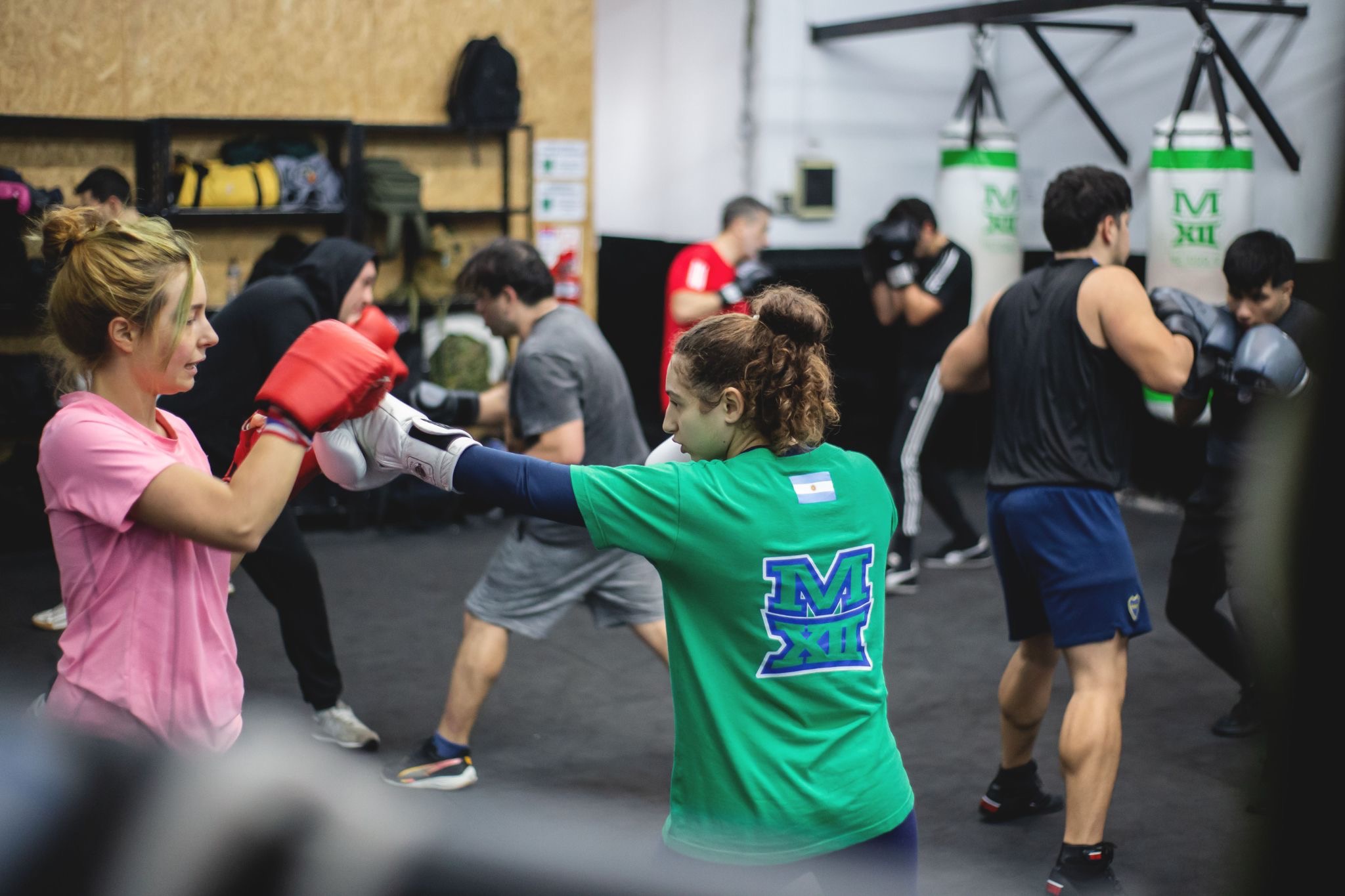
What Types of Exercise Are Best for Academic Performance?
There isn’t one exercise that guarantees better grades. Different forms of movement can provide different benefits, and personal preference matters because an enjoyable routine is easier to maintain.
Aerobic activities such as brisk walking, running, swimming, and cycling have received considerable attention in research on cognition. Stanford’s review specifically highlights aerobic and higher-intensity activities as potentially beneficial for cognitive performance.
Strength training can also be incorporated into a balanced routine, while recreational sports provide both physical activity and social interaction.
For busy college schedules, the best choice may simply be the activity that is enjoyable, accessible, and realistic enough to repeat consistently.
How to Build Exercise Into a College Schedule
A practical exercise routine doesn’t have to compete with academics. Instead, connect movement to existing parts of the day.
Try these strategies:
- Walk to class instead of taking transportation when practical.
- Exercise before studying if movement helps you feel more alert.
- Take active study breaks during long sessions.
- Use campus recreation facilities when they’re available.
- Join an intramural team to combine exercise and social time.
- Try short exercise sessions when a full workout isn’t possible.
- Schedule workouts like classes so they become part of your routine.
During exam periods, flexibility is especially important. You may not have time for a 60-minute workout every day, but a short walk or quick bodyweight routine can still provide a useful break.
Exercise Should Support, Not Replace, Good Study Habits
Exercise can be an important part of academic success, but it isn’t a substitute for attending class, completing assignments, reviewing material, or preparing for exams.
Think of physical activity as one component of a larger system. Effective studying, adequate sleep, nutritious meals, time management, and regular movement all work together.
Most importantly, don’t treat exercise as something that has to be perfect. Missing one workout won’t ruin your routine, just as one workout won’t transform your grades overnight.
The strongest approach is sustainable: find activities you enjoy, make them convenient, and build them into your weekly schedule.
Final Thoughts
Exercise can do much more than improve physical fitness. Research suggests that regular physical activity can support cognitive functions such as attention, memory, and executive functioning, while research in the United States has found meaningful associations between physical activity and academic grades.
For college students balancing demanding coursework and busy schedules, the lesson is simple: taking time to move isn’t necessarily taking time away from studying. It can be an investment in better focus, improved well-being, and more productive academic work.
Whether it’s a gym session, a campus walk, a recreational sport, or a few minutes of movement between study sessions, exercise can become a practical part of a successful college routine.
Published by
