Personal Training Studio vs. Big-Box Gym

A big-box gym rents you the equipment; a personal training studio gives you the coach. Gyms charge a low monthly fee and leave the plan, the form checks, and the motivation to you. Studios charge more per visit because they supply all three. Which is better depends on whether your real problem is access or consistency.
Maybe you’re paying for a membership you haven’t used since February. Maybe you walked onto a packed gym floor once, didn’t know where to start, and walked back out. Either way, you’ve likely wondered whether a studio’s higher price would actually change anything. Here’s an honest look at both options, including when the cheaper one is the smarter buy.
Personal training studio vs. big-box gym at a glance
The short version: a big-box gym wins on price and flexibility, and a personal training studio wins on coaching and accountability.
| Factor | Personal training studio | Big-box gym |
| Cost | About | About |
| Coaching | A certified trainer leads every session | None included; personal training is an add-on |
| Accountability | A booked appointment with someone who notices when you miss it | Self-directed; nobody checks whether you show up |
| Equipment | Focused selection chosen for coached strength and conditioning work | Wide range: rows of machines, free weights, cardio, often pools and courts |
| Form feedback | Constant, rep by rep | Only if you hire a trainer or ask staff |
| Crowds & atmosphere | Quiet, appointment-only, few people at once | Busy at peak hours; can feel intimidating to newcomers |
| Hours & flexibility | Scheduled sessions, usually booked in advance | Long hours, walk-in access, some locations open 24/7 |
| Privacy | High; often just you and your trainer | Low; you train in a shared, open space |
| Best for | Beginners, people restarting, anyone who needs structure or works around an injury | Experienced, self-motivated exercisers who mainly need equipment and flexible hours |
What is a personal training studio, and how is it different from a gym?
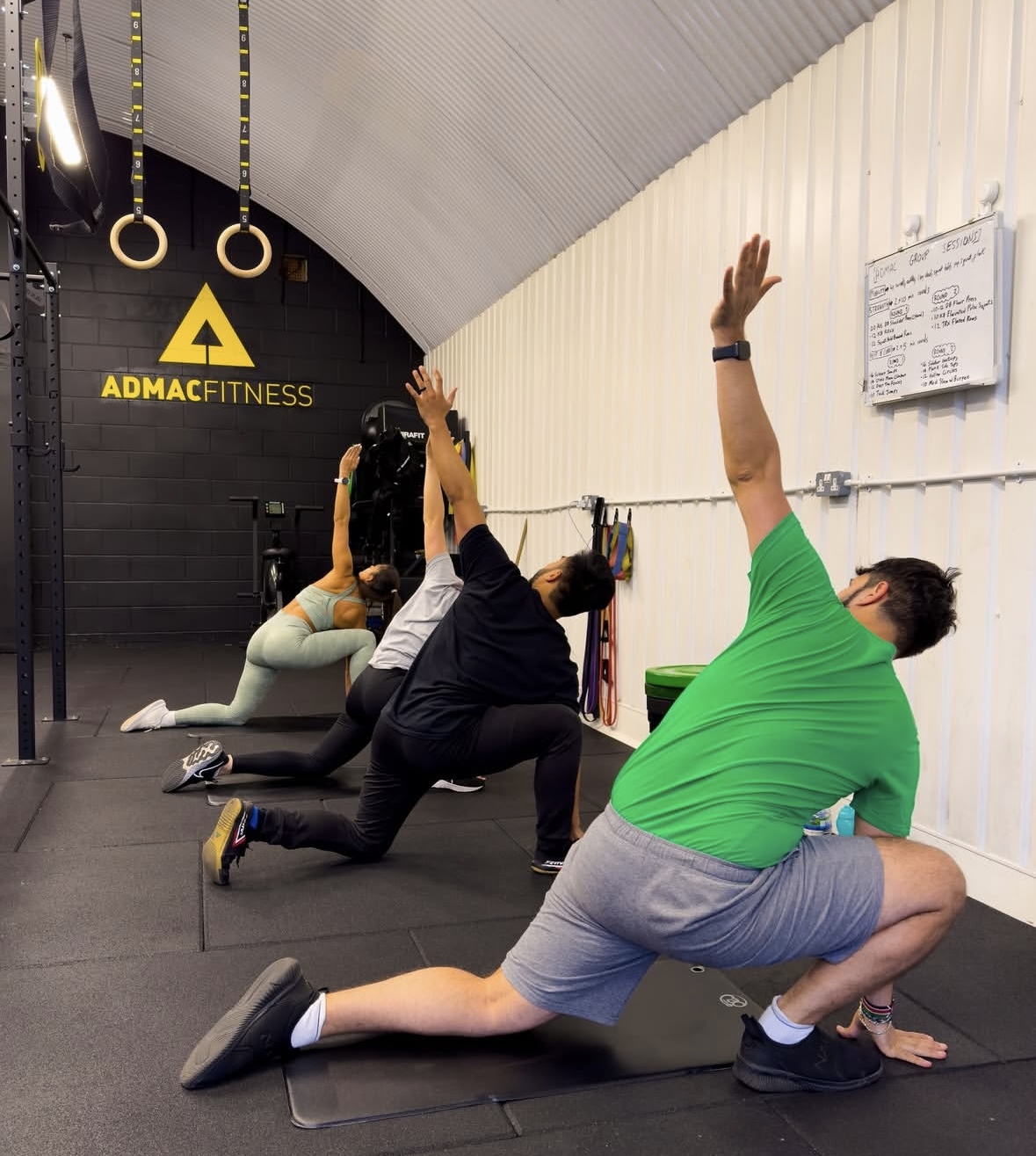
A personal training studio is a fitness facility built around scheduled, coached sessions rather than open membership access. You don’t buy a key card and figure it out yourself. You book a time, a trainer runs the workout, and the space is sized for a handful of people instead of hundreds. That’s the core difference from a gym.
Most studios offer some mix of three formats:
- 1-on-1 training. One trainer, one client, a fully individual plan.
- Semi-private training. Two or three clients share a trainer, each often following their own program.
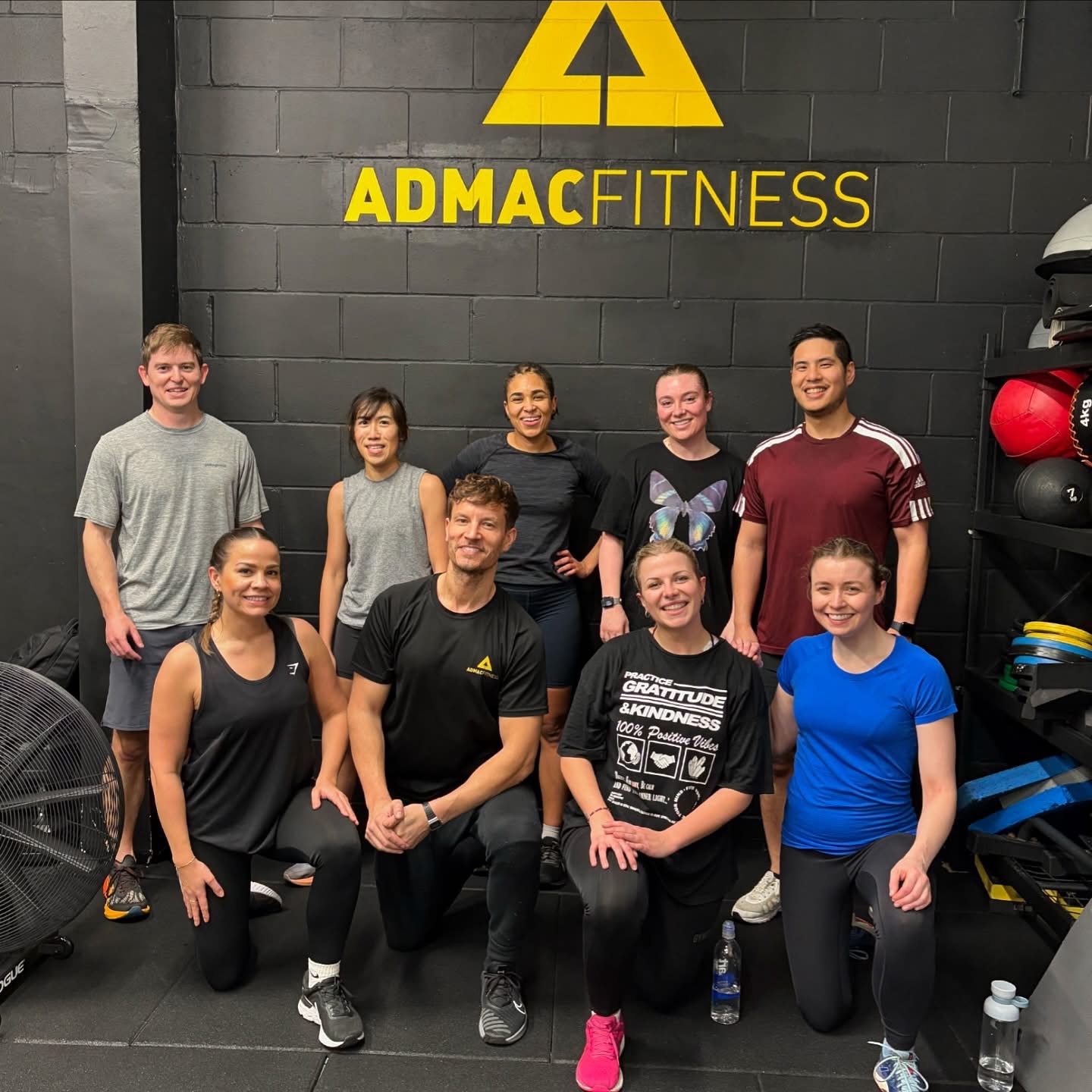
- Small-group training. Usually four to ten people working through a coached session together.
A private personal training studio sits at the quiet end of that range, with appointment-only access and few people on the floor at once. That’s where the “private gym vs. public gym” question comes in. A public, big-box gym is open to any member at any time. A private studio controls who is there and when, which is exactly what appeals to people who feel self-conscious working out in a crowd.
The core difference: access vs. coaching and accountability
A big-box membership is cheap because you do most of the work. A studio is expensive because it does that work for you. Strip away the branding, and the comparison comes down to four things: cost, coaching, accountability, and equipment.
Coaching. At a gym, you supply the plan. You decide what to do, in what order, how heavy, and when to progress. At a studio, a trainer makes those decisions and adjusts them each session based on how you’re moving and recovering.
Accountability. This is the strongest argument for a studio. A booked session with a real person who expects you is hard to skip. A gym membership asks nothing of you, which is freeing if you’re disciplined and easy to ignore if you’re not.
Equipment. Gyms win here, and it isn’t close. A large club may offer dozens of machines, a full free-weight area, cardio rows, and sometimes a pool. Studios carry less, but what they have is chosen for coached strength work, and you rarely wait for it.
Cost. Covered in detail below, but the logic is simple. With a gym, you’re paying for space and equipment. With a studio, you’re paying mostly for a trainer’s time and attention.
What each one actually costs
A big-box gym membership typically costs about $15 to $55 a month, depending on the chain and tier. A 1-on-1 session at a New Jersey personal training studio usually runs about $60 to $90. Semi-private and small-group sessions bring the per-person price down, often well below the 1-on-1 rate.
Rough ranges to expect:
- Big-box gym: about
25 a month for a basic membership, up to roughly $55 for premium tiers with classes and amenities.
- 1-on-1 studio training: about
90 per session in New Jersey.
- Semi-private training (2–3 clients): noticeably less per person than 1-on-1.
- Small-group training: the lowest per-session price of the coached options.
Why is studio training so much more? You’re paying for an hour of a certified professional’s undivided attention. A studio can only serve a few clients at a time, so it can’t spread its costs across thousands of members the way a big-box gym does.
A more useful comparison is cost per workout you actually complete. A $25 membership you use twice a month costs $12.50 per visit. Use it three times a week and it drops to about $2. A studio session costs the same every time, but people rarely skip appointments they’ve paid for and someone is waiting on.
It also doesn’t have to be forever. Many beginners work with a trainer for a few months to learn proper form and build a routine, then continue on their own. Think of it as tuition, not a lifetime subscription.
When a big-box gym is the better choice
For a disciplined, experienced exerciser, a big-box membership is one of the best values in fitness. If you already know what you’re doing and actually show up, paying for a coach may be money you don’t need to spend.
A big-box gym is likely the better fit if you:
- Already know how to program your training. You can plan your own sessions and progress them over time.
- Prefer training on your own. Headphones in, your plan, your pace.
- Want variety and amenities. Pools, courts, group classes, and more equipment than any studio can house.
- Need flexible or late-night access. Walk in whenever your schedule allows, including 24-hour locations.
- Want the lowest monthly cost. Nothing in coached fitness comes close on price.
If that describes you, a studio’s main selling points (structure, supervision, accountability) are things you already have.
When a personal training studio is the better choice
A personal training studio is the better choice when your obstacle isn’t access to equipment but knowing what to do and doing it consistently. For many people, that’s the whole reason past gym memberships didn’t stick.
A studio tends to pay off for:
- Beginners. Is a personal trainer worth it for beginners? Usually, yes. Learning proper form early prevents injuries and wasted effort, and a coach removes the guesswork of a first program.
- People restarting or trying to lose weight. If you’ve joined and quit gyms before, scheduled sessions and steady progression can be the difference. For weight loss, a trainer helps you build strength and a sustainable habit, not just burn calories.
- Anyone intimidated by a crowded gym floor. A quiet, appointment-only space removes the audience entirely.
- Older adults. Supervised strength and balance work is safer with a professional watching form and load.
- People working around injuries. A good trainer adapts exercises to what your body can handle, in coordination with your doctor or physical therapist.
- Busy commuters. A booked, efficient session fits a tight schedule better than a gym you have to talk yourself into after a long day.
[Editor’s note: optional expert quote from Barrett, NASM-certified trainer and founder of Rabbit Fit in Nutley, NJ, who lost 60 pounds before becoming a coach. Insert here only if Barrett supplies it and the publisher allows contributor quotes. Do not link. Delete this note before publishing.]
The middle ground: semi-private, small-group, and in-home training
You don’t have to choose between a $20 membership and full-price 1-on-1 coaching. Several in-between options give you real coaching at a lower cost.
- Semi-private training. Two or three clients share one trainer. You still get individual attention and form correction, at a lower per-person price than 1-on-1.
- Small-group training. A coached session for a small group, usually four to ten people. It’s the most affordable way to get regular supervision, though attention per person is lower.
- In-home training. The trainer comes to you. There’s no commute and no gym floor at all, which suits busy parents and anyone who wants maximum privacy.
- The hybrid plan. Keep an inexpensive gym membership for solo workouts, and book a coached session every week or two. The trainer updates your program and checks your form, and you do the rest on your own.
For budget-conscious readers, the hybrid plan is often the best of both: big-box price, with enough coaching to keep you progressing safely.
What this looks like in North Jersey
In North Jersey, both models are easy to find, and the choice often comes down to schedule and commute. Across Essex and Passaic counties, national chains such as Planet Fitness, LA Fitness, Blink Fitness, and Retro Fitness offer the low-cost, flexible-access option. They’re a practical fit for people who train on their own and need early-morning or late-evening hours around an NYC commute. Expect the busiest floors before and after the workday, and factor in parking at popular locations.
On the studio side, the region has a growing number of private and semi-private training studios. Rabbit Fit, a private personal training studio on Bloomfield Avenue in Nutley (Essex County), is one example of the studio model: 1-on-1 and semi-private sessions with no more than three clients per trainer, free parking, and in-home training available across New Jersey. Like many studios, it starts new clients with a free consultation.
Whether you live in Montclair, Bloomfield, Clifton, or Newark, it’s worth visiting one of each before committing. Tour a big-box gym at the hour you’d actually train, and book a consultation at a studio. You’ll know quickly which environment you’d keep showing up to.
The bottom line
Choose a big-box gym if your problem is access. Choose a personal training studio if your problem is consistency, confidence, or knowing what to do.
Neither option is better in every case. The right one is the one you’ll keep using, and if you’re unsure, a few months of coaching followed by a low-cost membership is a smart way to get both.
Frequently asked questions
What are the disadvantages of a personal trainer?
The biggest disadvantage is cost, since sessions add up quickly compared with a gym membership. You also schedule around someone else’s calendar, and quality varies widely, so check certifications such as NASM, ACE, or NSCA. Some people also come to depend on their trainer instead of learning to train independently.
Is a personal trainer worth it for beginners?
For most beginners, yes. A trainer teaches proper form, builds a safe starting program, and helps a new habit stick during the hardest early weeks. You likely won’t need one indefinitely. Many beginners work with a trainer for a few months, then continue on their own with occasional check-ins.
Is 2 personal training sessions a week enough?
For most beginners, two sessions a week is enough to learn proper technique and make steady progress. It works best paired with one or two workouts on your own, such as walking or a simple routine your trainer designs. Your ideal frequency depends on your goals, schedule, and recovery.
Is 30 minutes with a personal trainer enough?
Yes, if the session is focused and well planned. Thirty minutes is enough for a warm-up, several strength exercises, and form coaching, especially when you aren’t waiting for equipment. Some studios build their entire model around 30-minute sessions because they fit busy schedules and keep intensity high.
Can I use a big-box gym and a personal trainer at the same time?
Yes, and it’s often the most cost-effective approach. Keep an inexpensive membership for solo workouts, and book a session with a trainer every week or two to update your program and check your form.
Published by
