10 Books Every Fitness Professional Should Read During Their Education Journey

Building a career in fitness requires more than knowing how to perform exercises. A strong professional needs to understand anatomy, physiology, nutrition, programming, psychology, communication, and evidence-based practice. While lectures and practical classes provide an important foundation, books can take that knowledge much further.
The right books also help aspiring trainers connect scientific concepts with real-world situations. Many respected fitness education resources combine theory with practical applications, making them useful both during college and later in professional practice.
If you are studying exercise science, kinesiology, sports science, physical education, or a related field, consider adding the following ten books to your reading list.
How to Get the Most From Your Fitness Reading
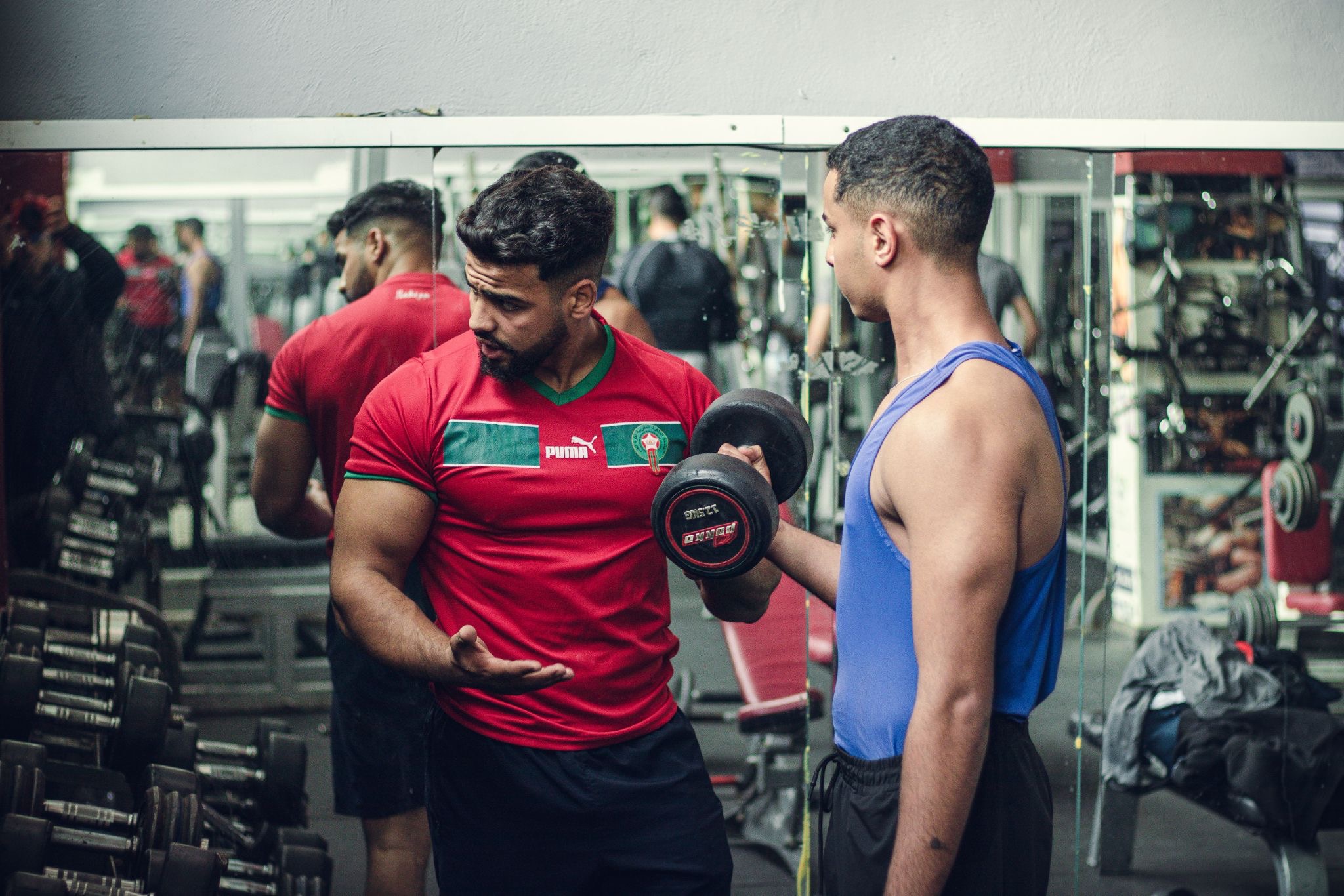
Reading a great fitness book is valuable, but it is only one part of becoming a knowledgeable fitness professional. Books can explain anatomy, exercise physiology, training methods, and coaching principles, yet real expertise comes from combining that knowledge with formal education, practical experience, and continuous learning. During college, it is important to attend lectures, participate in practical sessions, ask instructors questions, and look for opportunities to observe or assist experienced coaches. Applying what you learn is often the best way to understand how theoretical concepts work with real people and different training goals.
It is also useful to turn reading into an active learning process. Take notes, compare ideas from different authors, discuss important concepts with classmates, and practice explaining complicated topics in simple language. Assignments and presentations can also help you develop the communication skills required in a fitness career. When you have a demanding academic schedule and need support with preparing presentation materials, you can explore https://edubirdie.com/powerpoint-presentations-writing-service as a service for different tasks. This can give you more time to focus on practical training, coursework, research, and developing the professional skills that cannot be gained from reading alone.
1. Essentials of Strength Training and Conditioning
Published by the National Strength and Conditioning Association (NSCA), Essentials of Strength Training and Conditioning is one of the most comprehensive references for people interested in strength and conditioning. It brings together subjects such as exercise physiology, biomechanics, nutrition, testing, and program design.
The book is particularly valuable because it connects scientific principles with practical training decisions. Rather than simply memorizing exercises, readers can develop a better understanding of why particular methods are selected and how training variables can be adjusted.
It is also widely associated with preparation for the Certified Strength and Conditioning Specialist (CSCS) examination, making it a useful long-term reference.
2. Exercise Physiology: Nutrition, Energy, and Human Performance
William D. McArdle, Frank I. Katch, and Victor L. Katch provide an extensive introduction to how the human body responds and adapts to physical activity.
The book explores energy systems, cardiovascular responses, metabolism, nutrition, thermoregulation, and other physiological processes. These topics can seem complicated when first encountered in lectures, but understanding them is essential for anyone planning to create effective training programs.
Keep this book as a reference rather than trying to memorize every page. When you learn about a new training method in class, returning to the relevant physiology chapter can make the concept much easier to understand.
3. Strength Training Anatomy
Frederic Delavier’s Strength Training Anatomy is an excellent visual resource for understanding what happens inside the body during common exercises.
Detailed illustrations show the muscles involved in movements and help readers connect anatomical knowledge with practical training. This makes the book particularly useful when studying subjects such as anatomy, kinesiology, and resistance training.
Instead of learning muscles only from diagrams in a textbook, you can use this resource to see how anatomical structures relate to exercises such as squats, presses, rows, and curls. Its visual approach is also useful when reviewing material before practical assessments.
4. Anatomy of Movement
Blandine Calais-Germain’s Anatomy of Movement offers another perspective on human anatomy, focusing particularly on how bones, muscles, and joints work together to produce movement.
For an aspiring fitness professional, understanding movement is just as important as knowing individual muscles. A good coach needs to observe how someone moves, identify relevant patterns, and understand how different parts of the body contribute to an exercise.
This book can therefore complement more traditional anatomy textbooks and make complex concepts easier to visualize.
5. Science and Development of Muscle Hypertrophy
For anyone interested in resistance training and muscle growth, Brad Schoenfeld’s Science and Development of Muscle Hypertrophy is an important resource.
Rather than relying on gym myths or social media trends, the book examines the scientific principles behind muscle hypertrophy and explains how they can be applied to training.
It can be particularly useful when studying programming because it encourages readers to think about variables such as training volume, intensity, frequency, and exercise selection. Human Kinetics describes the book as a major resource for strength professionals, trainers, researchers, and exercise science instructors.
6. The Language of Coaching
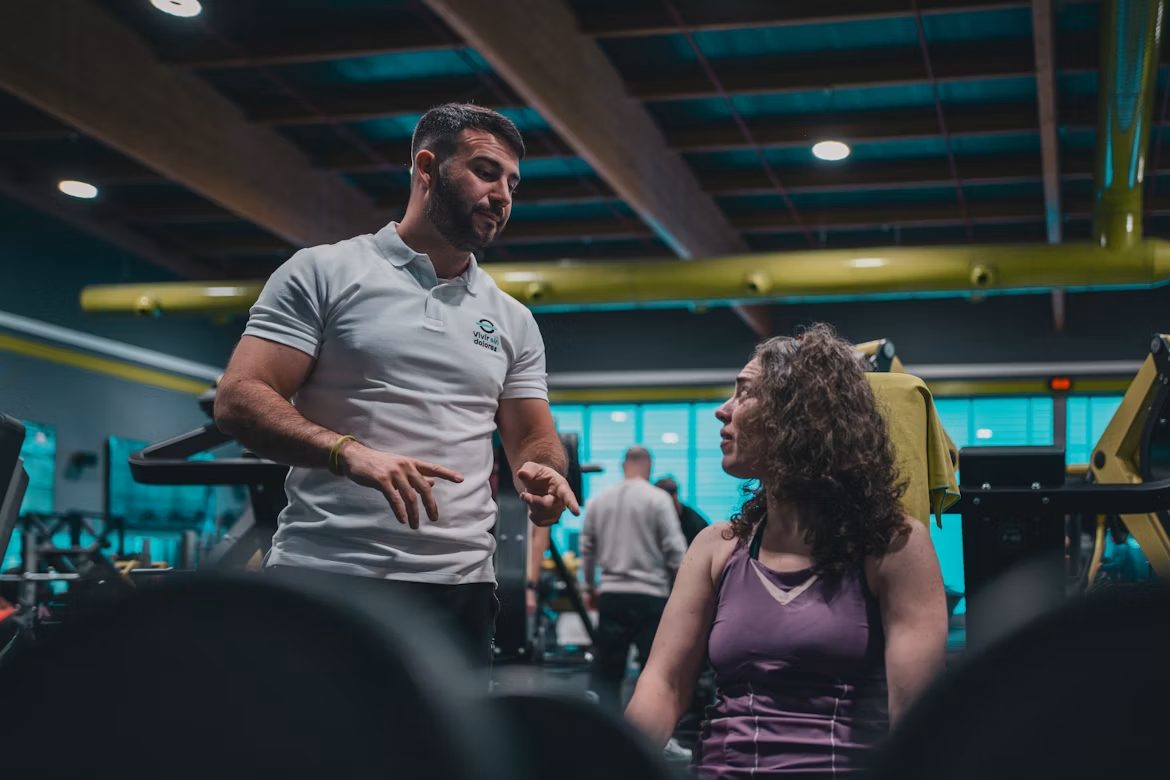
Fitness knowledge alone does not make someone an excellent coach. Communication matters enormously.
Nick Winkelman’s The Language of Coaching focuses on instruction, feedback, cueing, and how coaches communicate movement concepts. This is particularly valuable for people preparing to work directly with clients or athletes.
Two professionals can understand exactly the same exercise but explain it completely differently. Learning how to give clear cues can make sessions more productive and help people understand unfamiliar movements more quickly.
7. Periodization: Theory and Methodology of Training
Training should not simply be a collection of random workouts. Long-term planning is essential for developing performance while managing fatigue and recovery.
Tudor Bompa and Carlo Buzzichelli’s Periodization: Theory and Methodology of Training provides a detailed introduction to organizing training over longer periods.
The concepts can be challenging at first, but they are valuable for anyone interested in competitive sport, strength and conditioning, or advanced program design. Learning how training phases can be structured helps future professionals move beyond creating isolated workouts and toward developing coherent programs.
8. Research Design: Qualitative, Quantitative, and Mixed Methods Approaches
Fitness professionals regularly encounter claims about supplements, training methods, recovery strategies, and nutrition. Knowing how to evaluate those claims is an important professional skill.
John Creswell’s Research Design is not specifically a fitness textbook, but its principles can help readers understand how scientific research is conducted and interpreted.
This knowledge becomes especially useful when writing research papers or evaluating studies. Instead of accepting every fitness claim at face value, you can begin asking better questions about methodology, sample size, limitations, and evidence.
9. Advanced Nutrition and Human Metabolism
Nutrition plays a major role in health, body composition, exercise performance, and recovery. Advanced Nutrition and Human Metabolism by Sareen Gropper and Jack Smith provides a science-based foundation for understanding how nutrients interact with the human body.
For someone preparing for a fitness career, this knowledge can help separate established nutritional principles from constantly changing diet trends.
It is important, however, to understand professional boundaries. Fitness professionals should know when a client’s nutritional or medical needs require referral to an appropriately qualified healthcare professional.
10. High-Performance Training for Sports
David Joyce and Daniel Lewindon’s High-Performance Training for Sports is particularly useful for readers interested in athletic performance.
The book covers areas including speed, agility, jumping and landing, conditioning, programming, testing, resistance training, and coaching. What makes it useful is the combination of scientific foundations and practical applications.
It can help aspiring coaches understand how different training methods fit into a broader performance plan rather than treating every physical quality separately.
Published by
