Why Every Gym Coach Needs Movement Science

The fitness landscape has shifted dramatically. Gone are the days when a gym coach was simply a motivator with a whistle, shouting generic encouragement and counting down repetitions from a clipboard. Today’s fitness consumers are highly educated, deeply curious, and increasingly demanding. They don’t just want to break a sweat or leave the gym feeling completely exhausted; they want to move fluidly, live free of chronic pain, and optimize their long-term physical health.
To keep pace with these modern expectations, relying on standard, cookie-cutter workout templates is no longer viable. This profound industry evolution explains exactly why a deep, foundational understanding of movement science has transitioned from a luxury to an absolute necessity for every fitness professional.
Decoding the Fundamentals of Human Biomechanics
To understand why this knowledge is so vital, coaches must first grasp what movement science actually entails. Rather than viewing the body as a collection of isolated parts, such as assuming a bicep curl only affects the arm, movement science evaluates the kinetic chain as an integrated whole. It actively shifts a coach’s perspective from merely “working out” a client to systematically improving their structural mechanics.
Transforming Injury Prevention into a Predictable Science
The most immediate and urgent application of movement science in a commercial gym setting is injury prevention. When clients embark on a new fitness journey, they do so with goals of self-improvement. However, applying heavy external loads to fundamentally dysfunctional movement patterns is a fast track to acute injury or chronic wear and tear.
A coach well-versed in movement science can analyze a client’s gait, squat depth, or overhead pressing mechanics and instantly identify subtle compensatory behaviors.
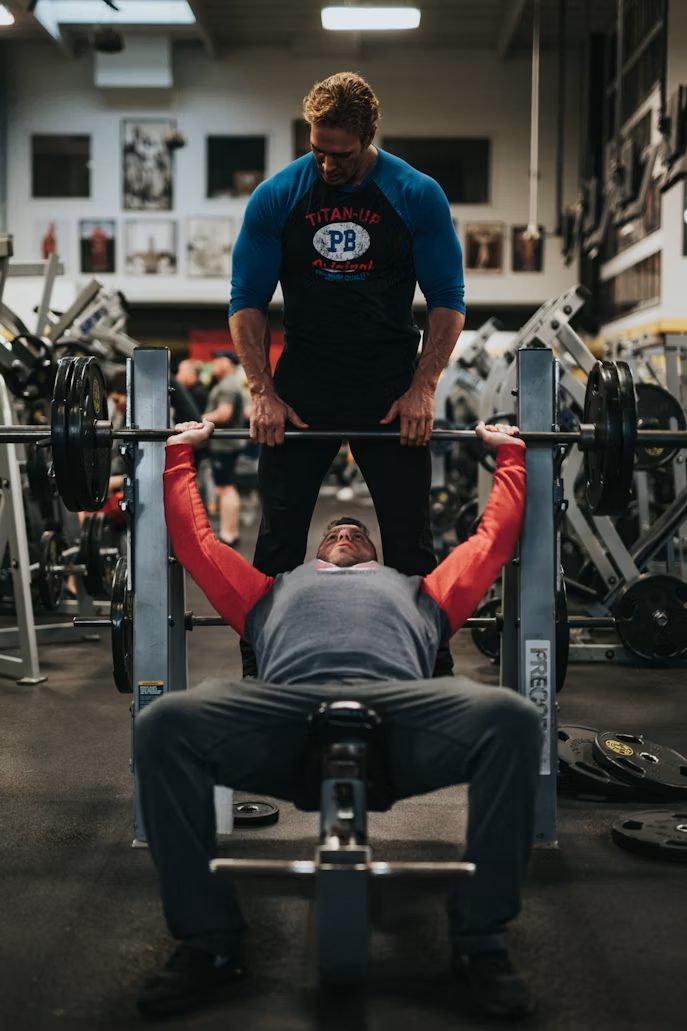
The Biomechanical Difference: If a client experiences lower back discomfort during a deadlift, a traditional trainer might simply tell them to drop the weight or stop the exercise entirely. Conversely, a coach trained in biomechanics will evaluate ankle mobility, hip hinge mechanics, and core stability to identify and fix the root cause of the issue.
Mastering the Core Principles of Corrective Exercise
Very few individuals walk onto a gym floor with perfect posture and flawless biomechanics. Years of sitting at office desks, looking down at smartphones, and navigating sedentary daily routines create chronic postural imbalances. Achieving genuine competency in this area requires structured, evidence-based education. By seeking advanced learning through platforms such as brookbushinstitute.com, fitness professionals can gain the rigorous, peer-reviewed knowledge required to implement highly effective corrective exercise strategies. Understanding the precise science behind human movement allows coaches to prescribe targeted mobility, flexibility, and activation drills that restore optimal alignment and joint function, turning a generic exercise session into a highly personalized, therapeutic experience.
Unlocking Peak Athletic and Physical Performance
Beyond keeping clients injury-free and correcting everyday postural issues, movement science serves as the ultimate key to unlocking peak human performance. Whether a coach is working with a competitive athlete looking to shave milliseconds off their sprint time, or a weekend warrior wanting to improve their golf swing power, biomechanics is the secret weapon.
Understanding the specific principles of force production, leverage, and motor unit recruitment allows a coach to design training programs that maximize total power output with minimal wasted energy. A coach who understands these underlying physiological principles can efficiently manipulate variables, such as movement tempo, rest intervals, and joint vector angles, to shatter plateaus safely.
Elevating Professional Trust and Business Credibility
From a professional development and business standpoint, mastering movement science completely alters a coach’s career trajectory. The fitness industry is highly saturated, and standing out in a crowded market requires a truly unique, authoritative value proposition.
When a coach can effortlessly explain the exact “why” behind every single exercise variation, detailing how a specific joint angle targets a muscle fiber or how a precise mobility drill unlocks a lift, they build immense, immediate trust with their clientele.
- Deeper Engagement: Clients actively understand the purpose of their programming.
- Higher Retention: People stay with coaches who demonstrate genuine clinical expertise.
- Premium Value: Specialization allows trainers to command higher hourly rates.
Embracing the Future of Elite Fitness Coaching
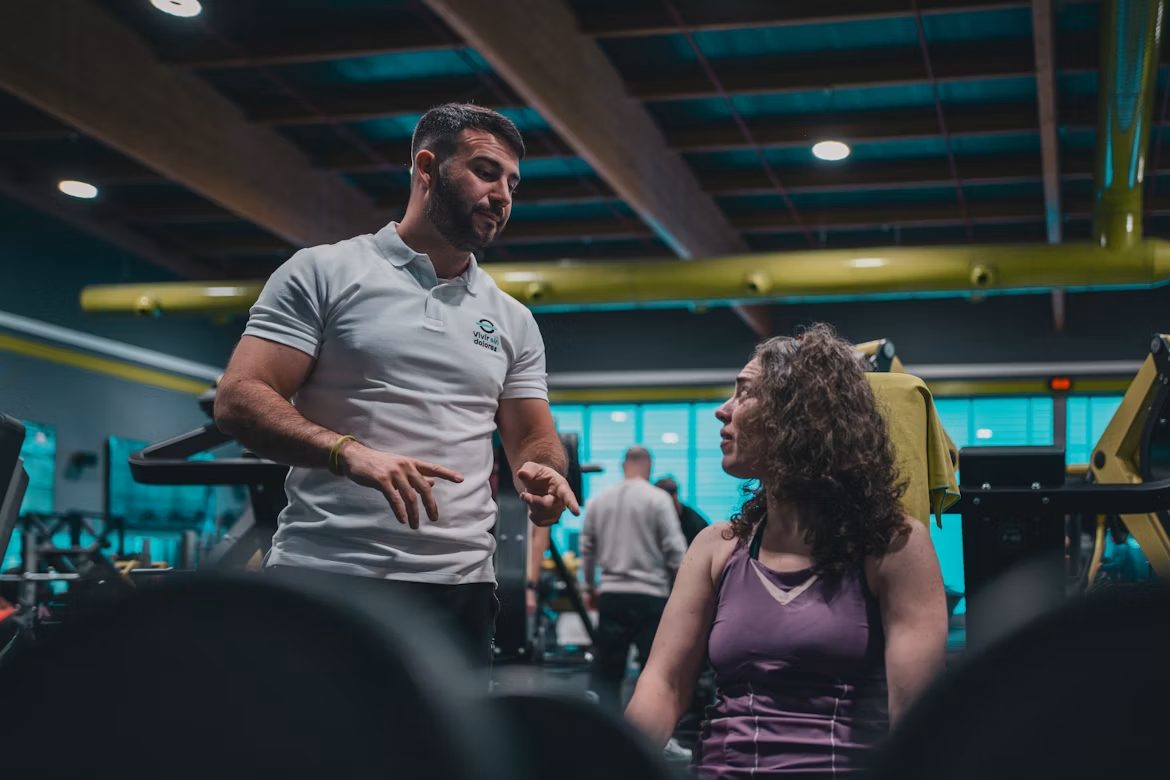
The era of the one-size-fits-all, generic workout plan is over. The human body is a highly complex, beautifully interconnected machine, and treating it as anything less does a massive disservice to the client. Movement science is not an elective academic subject reserved solely for physical therapists or clinical researchers; it is a foundational requirement for anyone who takes on the responsibility of guiding others through physical transformation.
By embracing the core principles of kinesiology, prioritizing preventative care, mastering corrective exercise, and focusing heavily on biomechanical performance, gym coaches can successfully elevate their daily practice. They evolve from simple, routine rep-counters into invaluable, highly respected movement specialists.
Published by
