The Role Of Physiotherapy In Jiu Jitsu Injury Prevention

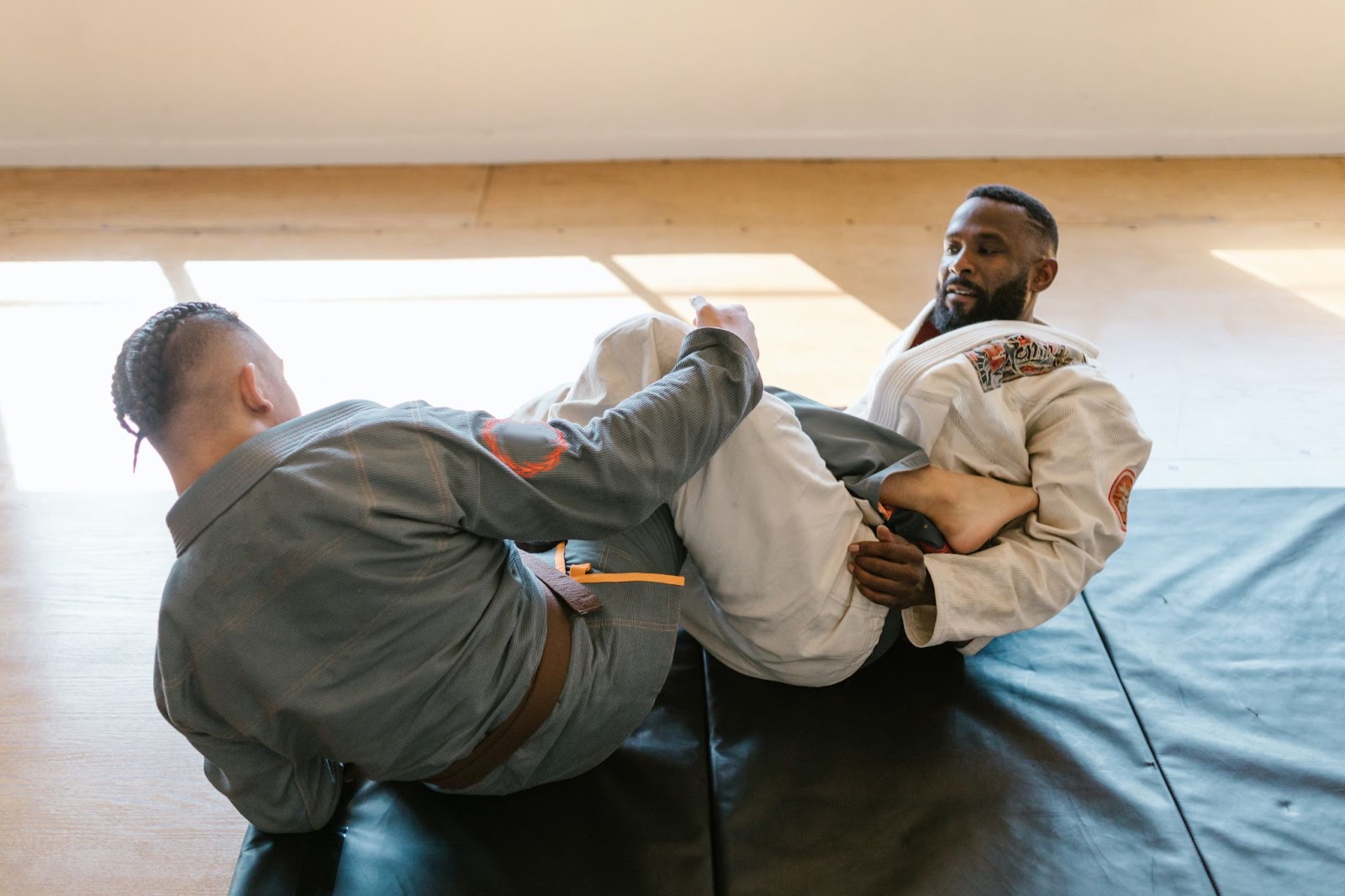
In the dynamic world of Brazilian Jiu-Jitsu (BJJ), participants revel in the physical and mental challenge, harnessing inner strength to engage in this intricate combat sport. While the thrill of victory and the growth accompanying each defeat are integral to BJJ, there’s an often overlooked aspect that is crucial for a sustainable practice: injury prevention through physiotherapy.
Understanding the vital role of physiotherapy isn’t just for recovery after an injury; it’s an essential component in preventing them. It safeguards practitioners, ensuring they enjoy a long, uninterrupted journey in Jiu-Jitsu. In this guide, we delve into the transformative role of physiotherapy in this sport, presenting pivotal strategies that have reshaped our approach to training and self-care.
Personalized Preventative Care Plans
Injury prevention in Jiu-Jitsu transcends the simplistic advice of ‘warming up before training.’ It’s about understanding the unique needs of your body. This is where physical therapy professionals at Next Wave Therapy have made substantial impacts. By providing personalized care plans that account for an individual’s specific physical condition and past injuries, these experts introduce preventative measures into daily routines.
For example, if a practitioner has a history of knee injuries, the therapist would incorporate specific exercises to strengthen the muscles around the knee, improving stability. These personalized plans enhance one’s understanding of their body, teaching them to recognize limits and adjust their training accordingly, which is paramount in preventing future injuries.
Optimizing Flexibility And Strength
Jiu-Jitsu often requires quick, unpredictable movements, which can be a risk factor for injuries if the body isn’t prepared. Physiotherapists introduce targeted exercises that work on both flexibility and strength. While strength training builds muscle to protect joints and tendons, flexibility exercises enhance the range of motion, ensuring smooth, agile movements on the mat.
Yoga, for instance, has been embraced as a complementary practice to Jiu-Jitsu, providing extensive stretching routines that increase flexibility. Physiotherapists often recommend a balanced routine of yoga and traditional strength-building exercises, creating a solid foundation that fortifies the body against common Jiu-Jitsu injuries.
Corrective Techniques For Posture And Balance
A common culprit behind training injuries is improper posture and balance, leading to undue strain on the body during practice sessions. Physiotherapy plays an essential role in correcting these issues. Through various exercises and the use of specialized equipment, physiotherapists help athletes enhance their proprioception, the sense of body position, which is crucial during grappling.
By improving balance and posture, practitioners gain better control over their movements, distribute their weight more effectively, and reduce unnecessary strain on their muscles and joints. This level of body control is invaluable on the mat, where maintaining the correct stance and balance can make a significant difference in both performance and safety.
Recovery And Recuperation
Rest and recovery are as important as active training sessions, and physiotherapy emphasizes their role in injury prevention. Effective recovery routines, guided by professional physiotherapists, help alleviate muscle fatigue and reduce the risk of strain-related injuries.
These routines might include various elements such as ice baths, compression garments, proper nutrition, hydration, and sleep, as well as active recovery exercises to maintain mobility.
Athletes learn to listen to their bodies, understanding when to push their limits and when to take a step back and recover. This balance is crucial in preventing burnout and overuse injuries, common in intensely competitive sports like Jiu-Jitsu.
Conclusion
The integration of physiotherapy into Jiu-Jitsu training regimens marks a revolutionary shift in how we approach this beloved sport. It acknowledges the athlete’s body’s limits and potentials, shifting the focus from mere injury treatment to a more holistic view of prevention. By embracing the expertise of physical therapy professionals, Jiu-Jitsu practitioners can anticipate fewer injuries, a longer sporting career, and an overall healthier lifestyle.
Published by
