How to Choose the Right Commercial Gym Equipment for Your Facility

Opening a gym or upgrading an existing facility requires careful planning, and one of the most critical decisions is selecting the right exercise machines and training tools. The choice of equipment can influence user experience, safety, and operational efficiency. Ensuring that your facility is equipped with appropriate fitness apparatus allows members of varying skill levels to train effectively and comfortably.
Understanding Your Facility Goals and Users
Before purchasing any equipment, it is important to clearly define your facility’s objectives and the audience you aim to serve. Are you focusing on professional athletes, casual fitness enthusiasts, or a combination of both? The target demographic affects which machines and tools will be most suitable. Cardio machines such as treadmills, ellipticals, and stationary bikes are essential for endurance-focused programs, while weight machines and free weights cater to strength and conditioning goals. Space planning also matters, as overcrowding can affect safety and workflow. For example, investing in durable commercial gym equipment can provide a solid foundation for a versatile fitness environment that accommodates a wide range of users.
Evaluating Quality and Durability
When selecting fitness machines, prioritizing quality and longevity is crucial. Equipment designed for heavy usage in a commercial setting is constructed to withstand frequent operation without rapid wear or mechanical issues. High-quality materials, sturdy construction, and reputable manufacturing standards help reduce maintenance needs while ensuring user safety. Unlike home-use machines, gym-grade tools are built to endure continuous use, which is essential for minimizing downtime and avoiding potential accidents. Checking reviews, manufacturer specifications, and feedback from other gym operators can provide valuable insights into the durability of various options.
Considering Versatility and Functionality
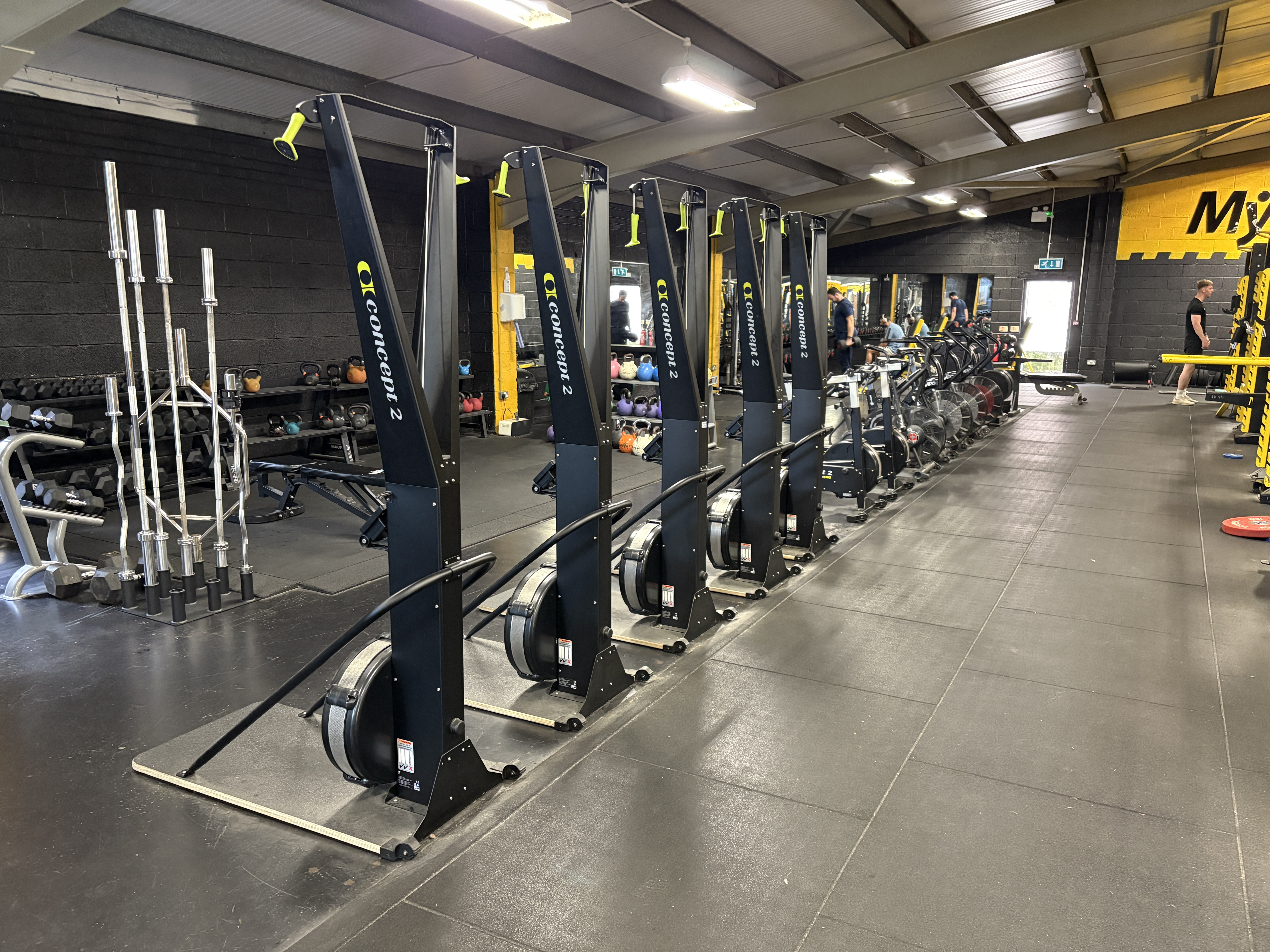
Versatile equipment enhances the usability of a gym without overcrowding the space. Machines that support multiple exercises, adjustable resistance, or modular components provide more options for members. Functional training tools such as cable systems, adjustable benches, multi-station units, and free weight racks allow users to perform a variety of workouts in a limited area. Equipment that can be easily adapted for different body sizes, fitness levels, and exercise variations ensures inclusivity and broadens the appeal of the facility. Investing in multifunctional apparatus improves space efficiency and allows members to engage in comprehensive training programs.
Assessing Maintenance and Support Needs
Long-term performance of gym machines depends on proper upkeep and manufacturer support. Regular maintenance, availability of replacement parts, and accessible technical guidance are essential to keep the facility running smoothly. Some equipment may require professional servicing, while others are easier to maintain internally. Evaluating the ease of installation, frequency of service, and warranty coverage helps prevent unexpected downtime. Selecting machines from manufacturers known for reliable customer support ensures that your gym remains safe, functional, and consistent for all users.
Budgeting and Planning for Future Expansion
Budget considerations are as important as quality when choosing fitness equipment. Planning purchases based on current needs and anticipated growth allows for a sustainable and organized investment. Begin with essential machines, then gradually incorporate specialized or advanced apparatus as the facility expands. It is also important to account for installation costs, maintenance expenses, and possible upgrades. By balancing cost and functionality, gym owners can provide a comprehensive workout environment while managing financial resources responsibly. Thoughtful planning ensures that your facility continues to meet members’ evolving needs without compromising long-term sustainability.
Conclusion
Selecting the right equipment for a gym involves aligning your facility’s goals, understanding the needs of your users, and considering operational and maintenance requirements. Emphasizing durability, versatility, and proper support helps create a safe, functional, and adaptable training environment. Strategic budgeting and forward-thinking planning allow gyms to provide effective fitness solutions while safeguarding investments. A well-considered approach to equipment selection ensures a balanced and professional facility that serves members effectively today and in the years to come.
Published by
