Alcohol, Sleep Debt, and Low T: Lifestyle Triggers with Outsized Effects

You are doing “all the right things,” but you still feel off.
You wake up tired. Your brain feels foggy. Your weight will not budge. Your workouts feel harder than they used to. Your sex drive feels lower, or it swings from “fine” to “gone” with no warning.
And then you get told the same line: “Your labs are normal.”
That is the moment many people start searching for Testosterone Replacement Therapy.
Here is the big answer, right up front: sleep debt and alcohol can both lower testosterone and make low T symptoms feel louder. One week of sleeping only 5 hours per night lowered daytime testosterone by about 10% to 15% in healthy men. Alcohol can also disrupt the hormone signals that help your body make testosterone, and drinking before bed can disrupt sleep stages like REM sleep. If you do not address these two triggers, you can chase labs, supplements, or even Testosterone Replacement Therapy and still feel like you are dragging yourself through the day. [3]
Why you feel “fine on paper” but not fine in real life
A big problem with insurance-based care is time. You get one quick visit and one quick lab draw. Then you get a message that says “normal.”
Root-cause hormone care asks a better question:
What is keeping your body stuck?
The Endocrine Society recommends diagnosing low testosterone only when you have symptoms and signs plus consistently low testosterone on lab testing, confirmed with repeat morning testing. So even official guidance says you need more than one lab and more than a quick guess. [5]
A functional medicine lens goes one step further. It asks what is pushing that number down and what is draining your energy.
Sleep debt and alcohol are two of the biggest, most common pushers.
Sleep debt can lower testosterone faster than you think
If you are sleeping 5 to 6 hours most nights, your body may be running in survival mode.
In a JAMA study, healthy young men who slept 5 hours per night for a week had daytime testosterone drop by 10% to 15%. That drop happened fast. [14]
That matters for you because sleep debt can also create the same symptoms people blame on low testosterone:
You feel tired all day.
Your mood is shorter.
Your drive is lower.
Your cravings are louder.
Your brain feels “stuck.”
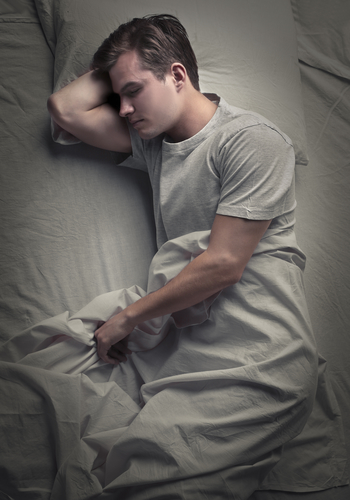
So sometimes the body is not “broken.” It is sleep-deprived.
Why morning labs matter if you are checking testosterone
Testosterone changes across the day. That is why guidelines recommend morning testing and repeating the test for accuracy. The Endocrine Society recommends confirming with repeat morning measurements, and FDA labeling for testosterone cypionate also calls for confirming hypogonadism with morning testing on at least two separate days.
So if your lab was drawn once, or it was drawn late in the day, your “normal” result may not tell the full story.
Alcohol can hit testosterone in two directions
A lot of people use alcohol for one reason: it feels like relief.
It takes the edge off.
It makes you sleepy.
It quiets your brain.
But alcohol can also mess with the hormone chain that supports healthy testosterone.
A review from the National Institute on Alcohol Abuse and Alcoholism (NIAAA) explains that chronic alcohol exposure can decrease key hormone signals (like LHRH and LH) and decrease testosterone, while increasing estradiol and FSH. In plain words, heavy ongoing drinking can throw off the whole “signal system” for sex hormones. [16]
Alcohol also affects sleep. A Sleep Medicine Reviews meta-analysis found alcohol changes sleep architecture, including delayed REM onset and reduced REM duration. It also found a dose-response pattern, meaning REM disruption worsened at higher doses and could occur even at lower doses.
The trap: alcohol makes sleep debt worse
This is the loop many people get stuck in:
You feel stressed and wired.
You drink to fall asleep.
You fall asleep fast, but sleep quality drops.
You wake up tired.
You need caffeine to function.
You feel wired again at night.
The CDC’s sleep guidance includes avoiding alcohol before bedtime, turning off electronic devices at least 30 minutes before bedtime, and avoiding caffeine in the afternoon or evening. These are simple rules, but they matter because they protect sleep quality.
When lifestyle looks like low testosterone, what should you do?
This is where functional medicine can feel very different from conventional medicine.
Conventional care often asks: “Is your testosterone below the cutoff?”
Root-cause care asks: “Why are you living like you are running on empty?”
That is not blame. It is a plan.
For example, a JCEM article describes “pseudo-hypogonadism of obesity,” where nonspecific symptoms plus lowered testosterone in the setting of obesity does not automatically equal organic hypogonadism and does not automatically justify testosterone replacement. Reversible factors often drive the pattern.
Sleep debt, alcohol, and metabolic stress can sit in that reversible layer.
Where Testosterone Replacement Therapy can fit, and where it cannot
If you have true hypogonadism, Testosterone Replacement Therapy can be appropriate. But it is not a shortcut around sleep and lifestyle.
The Endocrine Society recommends making the diagnosis only when symptoms match and testosterone is unequivocally and consistently low on repeat testing. It also recommends against starting therapy in certain situations, including planning fertility soon and untreated severe obstructive sleep apnea.
Sleep apnea matters because it can be linked with lower testosterone. A Frontiers review summarizes meta-analyses showing lower serum testosterone in men with obstructive sleep apnea compared with controls.
So if you snore loudly, wake up choking, or feel unrefreshed no matter what, you deserve a real evaluation, not another “try harder” speech.
A simple seven-day reset to test your lifestyle load
This is not medical advice. It is a simple experiment to get real data from your body.
For seven days:
Keep the same wake time every day.
Aim for a consistent bedtime.
Stop alcohol at least three hours before bed, or avoid it for the week.
Turn off screens at least 30 minutes before bed.
Stop caffeine by early afternoon.
These are basic CDC sleep habits. Most people do not do them consistently.
Track three things:
Morning energy
Afternoon crash
Mood and libido
If you feel noticeably better, that is not “in your head.” That is your body recovering.
If you are already on Testosterone Replacement Therapy, these triggers still matter
Even when TRT is the right tool, monitoring and lifestyle still matter.
The Endocrine Society recommends monitoring men on testosterone with a standardized plan that includes evaluating symptoms, adverse effects, and compliance, measuring serum testosterone and hematocrit, and evaluating prostate cancer risk during the first year.
If you drink heavily or sleep poorly, it becomes harder to tell what the therapy is actually doing.
You deserve clear feedback, not more confusion.
Safety note and disclaimer
This article is for education only and not medical advice. Testosterone is a prescription controlled substance, and the FDA has cautioned that testosterone products are approved only for men with low testosterone caused by certain medical conditions, not just “getting older.” Do not self-dose or buy testosterone without medical oversight. Talk with a qualified clinician about your symptoms, lab timing, risks, and goals.
Bottom line
If you feel ignored, tired, foggy, and stuck, you are not alone.Before you assume you need Testosterone Replacement Therapy, check the two lifestyle triggers with outsized effects: sleep debt and alcohol. The evidence shows they can lower testosterone and wreck sleep quality fast. Fixing them can change how you feel and make your lab testing far more accurate.
Published by
