How to Stay Consistent With Fitness in a Busy Lifestyle (2026 Guide)

Consistency has always been the defining factor in fitness progress, yet it remains one of the hardest things to maintain. Not because people lack motivation, but because modern life rarely accommodates rigid routines. Work demands, family responsibilities, and constant digital distractions create an environment where even well-intentioned fitness plans begin to slip.
In 2026, staying in shape is less about intensity and more about adaptability. The most effective routines are no longer built around ideal conditions, but around real life.
Why Traditional Fitness Plans Often Fail
Many people approach fitness with a short-term mindset. They commit to structured programs that demand fixed schedules, long sessions, and strict discipline. While this can work temporarily, it often clashes with unpredictable daily routines.
The problem is not effort, it’s sustainability.
When workouts become difficult to maintain consistently, progress slows, motivation drops, and eventually the routine is abandoned. This cycle is common because the plan was never designed to adapt.
The solution is not to push harder, but to design smarter.
The Shift Toward Flexible Fitness
Fitness is no longer confined to gyms or fixed training windows. Instead, it has evolved into something more dynamic, a system that moves with your lifestyle rather than competing against it.
This shift is reflected in how people now approach exercise:
- Shorter, more efficient workouts
- A mix of home and gym training
- Greater emphasis on habit-building over intensity
- Integration of technology for tracking and accountability
Flexibility has become the foundation of consistency.
Rather than asking, “When can I fit in a workout?”, people are now asking, “How can my workout fit into my day?”
The Role of Accountability in Long-Term Progress
One of the most underestimated factors in fitness success is accountability. Left entirely on their own, even disciplined individuals can struggle to maintain momentum over time.
Accountability introduces structure without rigidity. It creates a sense of responsibility that helps bridge the gap between intention and action.
This is where digital tools have significantly changed the landscape. Instead of relying solely on personal motivation, individuals now use structured systems that guide, track, and adapt their progress.
A great way to stay in shape in 2026 using a fitness app like Fitness Refined to stay accountable with personalized workouts you can do both at the gym and at home to meet your busy schedule.
When fitness becomes guided rather than improvised, consistency improves naturally. The user no longer has to decide what to do each day, they simply follow a plan that evolves with them.

Hybrid Training: The New Standard
One of the most effective developments in modern fitness is hybrid training, the combination of gym-based and home workouts within a single routine.
This approach removes one of the biggest barriers to consistency: dependence on a specific location.
If time is limited, a short home workout replaces a missed gym session. If more time is available, gym training can be incorporated for added intensity. The result is continuity rather than disruption.
Hybrid training offers several advantages:
- Greater flexibility in scheduling
- Reduced likelihood of missed sessions
- More variety in workouts
- Improved long-term adherence
Instead of viewing fitness as an “all-or-nothing” commitment, it becomes a fluid part of daily life.
According to the World Health Organization, adults should aim for at least 150 minutes of moderate physical activity per week. While this guideline is widely known, the challenge lies in fitting it into a realistic schedule.
Efficiency Over Duration
Another major shift in fitness thinking is the move away from long workouts toward efficient ones.
Research and practical experience increasingly show that shorter, focused sessions can deliver significant results when done consistently. High-quality movement, proper intensity, and structured progression matter far more than time spent.
For busy individuals, this is a crucial mindset shift.
A 20–30 minute session done consistently will always outperform occasional long workouts followed by inactivity. Consistency compounds over time, while inconsistency resets progress.
Building a Routine That Actually Works
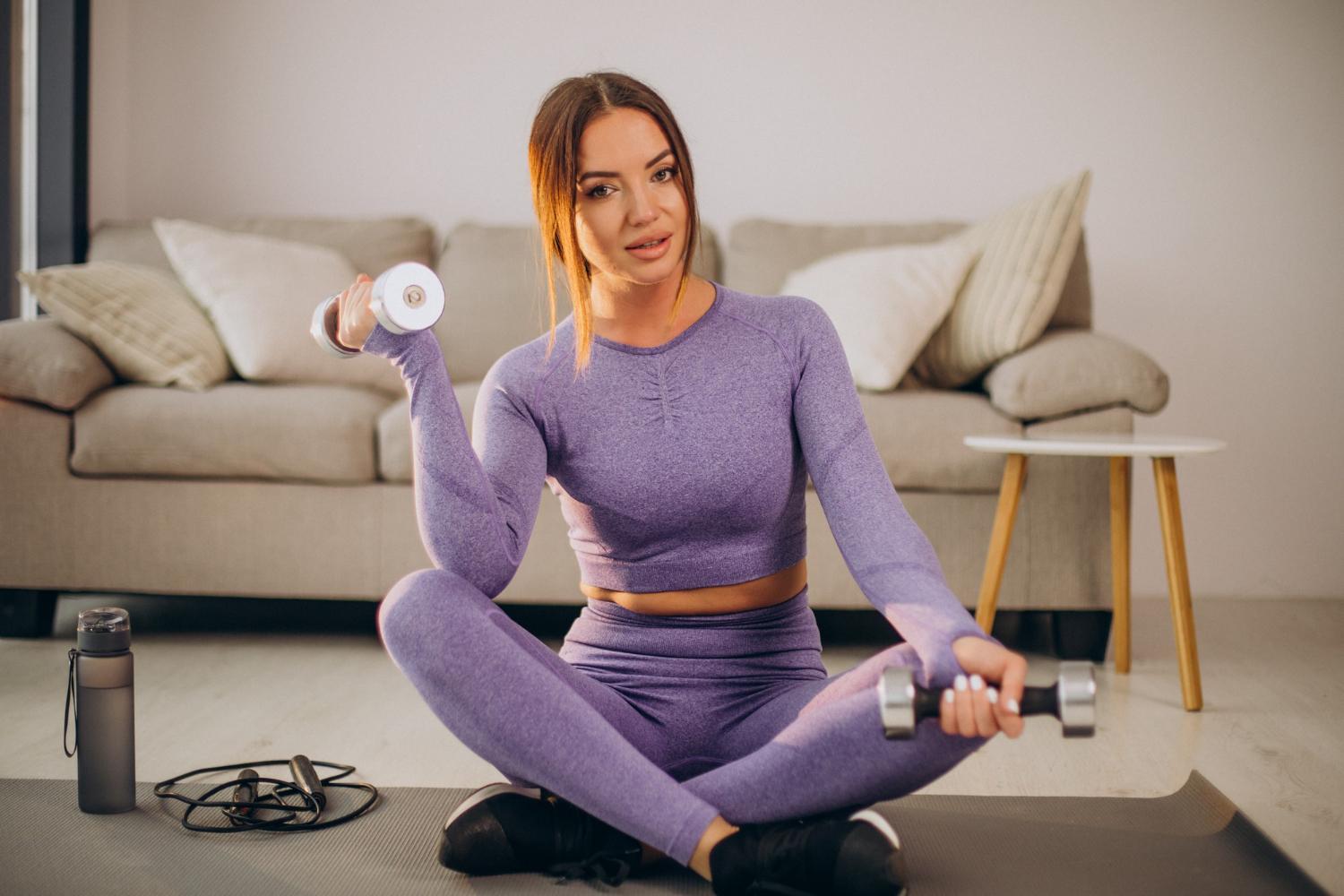
Creating a sustainable fitness routine requires a different approach than traditional programs. Instead of focusing purely on goals, it’s more effective to focus on systems.
A working routine should include:
- Adaptability – the ability to adjust based on time and energy levels
- Clarity – knowing exactly what to do each session
- Progression – gradual increases in difficulty or intensity
- Accountability – some form of tracking or external structure
When these elements are in place, fitness becomes less dependent on motivation and more driven by habit.
Removing Friction From the Process
One of the most overlooked reasons people struggle with fitness is friction, the small obstacles that make starting a workout harder than it needs to be.
This can include:
- Not knowing what exercises to do
- Having to plan each session manually
- Needing to travel to a gym every time
- Feeling uncertain about progress
Reducing friction is often more effective than increasing motivation.
When the path to working out is clear and simple, action becomes easier. Over time, this leads to consistency, and consistency leads to results.
Fitness as a Long-Term System
Perhaps the most important shift in 2026 is how people define success in fitness. It is no longer about short-term transformation, but long-term sustainability.
Instead of chasing rapid changes, individuals are focusing on routines they can maintain for years.
This approach leads to:
- Better physical health
- Reduced risk of burnout
- More stable progress over time
- A healthier relationship with exercise
Fitness becomes less about effort and more about integration.
A Smarter Approach to Staying in Shape
The future of fitness is not about doing more, it’s about doing what works consistently.
For busy individuals, this means embracing flexibility, using tools that support accountability, and building routines that fit naturally into daily life.
The most effective plan is not the most intense one, but the one that you can follow without disruption.
In a world where time is limited and distractions are constant, the ability to adapt is what separates temporary effort from lasting results.
Published by
