How Access Control Systems Are Transforming 24/7 Fitness Centers in 2026

The fitness industry is growing steadily, but so are the operational challenges that come with it. According to the International Health, Racquet and Sportsclub Association, the global health club industry generates over $96 billion annually. At the same time, reports from the U.S. Bureau of Labor Statistics show that theft and workplace incidents remain a concern in environments similar to gyms.
For gym owners, this creates a clear tension. Members expect 24/7 access and seamless experiences, but operating around the clock introduces security risks, staffing costs, and management complexity.
In 2026, access control systems are becoming one of the most important tools for addressing these challenges. They are no longer just about locking and unlocking doors. They are central to how modern fitness centers operate, scale, and maintain control.
Why 24/7 Gyms Need Smarter Access Control
Running a gym without fixed operating hours is fundamentally different from a traditional model. When staff are not present, the responsibility of managing entry shifts entirely to technology.
Without proper systems in place, gym owners often face:
- Unauthorized entry
- Membership misuse
- Delayed response to incidents
- Inconsistent security across locations
Access control systems address these issues by automating entry while maintaining visibility. Every access event is logged, and permissions can be managed centrally. This allows gym owners to maintain control even when they are not physically present.
Moving Beyond Traditional Entry Methods
Older access systems relied on keys, swipe cards, or manual check-ins. These methods are limited in both security and scalability. Lost cards, shared credentials, and lack of real-time tracking create gaps that are difficult to manage.
Modern access control systems offer a more advanced approach. They allow gym owners to:
- Grant or revoke access instantly
- Set time-based permissions
- Manage multiple locations from one dashboard
- Track entry activity in real time
These capabilities make it easier to maintain consistent policies and reduce manual work.
Controlling Costs While Expanding Hours
One of the biggest challenges for gym owners is balancing accessibility with cost. Keeping a gym open 24/7 often requires additional staffing, especially during overnight hours.
Access control systems reduce this burden by automating entry. Members can enter using approved credentials without requiring staff to be present. At the same time, the system maintains a full record of activity, ensuring accountability.
For multi-location operators, this can lead to significant cost savings. Instead of staffing each location around the clock, owners can rely on centralized systems to manage access.
Preventing Unauthorized Access and Revenue Loss
Unauthorized access is a common issue in fitness centers. Members may share credentials, allow guests to enter without paying, or bypass entry systems.
Over time, this results in:
- Lost revenue
- Overcrowding
- Increased wear on equipment
- Higher safety risks
Modern access control systems help reduce these issues through stronger verification and monitoring.
Advanced systems now use AI-driven detection to identify when multiple people enter on a single credential. Alerts can be sent instantly to management.
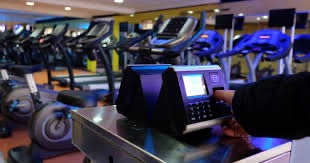
For example, some modern gym access control systems integrate video intelligence that flags suspicious entry behavior. As seen in platforms like Coram’s gym access control system, features such as tailgating detection, credential misuse alerts, and automatic event logging help maintain fair usage without requiring additional staff. The system can also manage secure 24/7 entry through mobile apps, cards, or PIN credentials, while tracking all activity centrally.
Even small improvements in preventing misuse can have a meaningful financial impact over time.
Improving Incident Response and Accountability
Incidents can happen at any time in a gym environment. These may include member disputes, equipment misuse, injuries, or unauthorized entry attempts.
When staff are not present, having clear and accessible data becomes essential.
Modern access control systems allow gym owners to:
- Review who entered the facility and when
- Match access events with video footage
- Respond more quickly to issues
- Maintain accurate records for reporting
This improves accountability and reduces uncertainty during investigations. It also helps gym owners handle disputes more effectively and maintain a safer environment.
Enhancing the Member Experience
Convenience plays a major role in member satisfaction. A complicated or slow entry process can create frustration and reduce engagement.
Access control systems improve the member experience by making entry simple and efficient. Members can use mobile apps or digital credentials, eliminating the need for physical cards or manual check-ins.
This type of frictionless access aligns with how people interact with other services in their daily lives. It also supports a more modern and professional image for the gym.
For gym owners, a better experience can lead to higher retention and stronger brand loyalty.
Using Data to Improve Operations
Access control systems generate valuable data that can help gym owners make better decisions.
By analyzing entry and usage patterns, owners can understand:
- When the gym is busiest
- How members use the facility
- Which locations see the most traffic
- How usage changes over time
This information can be used to optimize staffing, adjust schedules, and plan future expansion.
For example, if late-night usage increases, additional security measures or resources can be introduced during those hours. If certain locations experience higher demand, investment can be directed accordingly.
Managing Multiple Locations More Effectively
For gym owners with multiple locations, consistency is a major challenge. Each facility may have different staff, layouts, and operational practices.
Cloud-based access control systems simplify this by centralizing management. Owners can apply the same policies across all locations and make updates instantly.
This reduces administrative effort and ensures that security standards are maintained across the entire network.
It also makes it easier to scale operations. As new locations are added, they can be integrated into the existing system without significant infrastructure changes.
Strengthening Overall Security
Access control systems are a key part of a broader security strategy. By restricting entry to authorized individuals, they reduce the likelihood of incidents.
When combined with other tools such as surveillance and alerts, they create a more complete view of what is happening inside the facility.
This allows gym owners to move from a reactive approach to a more proactive one, where risks are identified and addressed before they escalate.
Conclusion
For gym owners, the shift toward 24/7 operations brings both opportunity and complexity. Members expect flexibility, but maintaining security and control without increasing costs is a challenge.
Access control systems provide a practical solution. They automate entry, reduce unauthorized access, improve accountability, and generate insights that support better decision-making.
In 2026, these systems are no longer optional. They are becoming a foundational part of running a modern fitness center.
Gym owners who adopt the right approach will be better positioned to scale, improve member experience, and maintain a secure environment as the industry continues to evolve.
FAQs
What should gym owners look for in an access control system?
Gym owners should look for systems that offer remote management, real-time tracking, mobile access, and integration with other security tools.
Can access control systems reduce staffing costs?
Yes, they allow gyms to operate during off-hours without requiring constant staff presence.
How do these systems prevent misuse?
They use secure credentials, activity tracking, and in some cases AI-based detection to identify suspicious behavior.
Are access control systems suitable for small gyms?
Yes, they can be scaled to fit both small facilities and large multi-location chains.Do they improve safety for members?
Yes, by ensuring only authorized individuals enter and by providing clear records of activity, they contribute to a safer environment.
Published by
