Dirty Bulking: The Hidden Fat, Insulin, and Dental Risks Nobody Talks About

Dirty bulking has been part of gym culture for a long time. The idea is straightforward: eat everything, train hard, and let the scale climb. No food rules, no tracking, no restrictions. Just a lot of calories.
That sounds appealing after months of eating in a deficit. And honestly, for some people it works, at least in the short term. But before you commit to an unrestricted surplus, there are some real trade-offs worth knowing about. Including one that almost never comes up in fitness content: what it actually does to your teeth.
What Is Dirty Bulking?
A dirty bulk is a muscle-building phase where you eat in a significant calorie surplus without paying attention to food quality. The goal is to gain weight fast, and with it, muscle. In practice that tends to mean mass gainer shakes, fast food, sugary cereals, processed snacks, anything calorie-dense and convenient.
The appeal is obvious. It removes the mental load of clean eating and makes hitting daily calorie targets a lot easier. But easy and effective aren’t always the same thing.
Your Starting Body Fat Percentage Matters More Than You Think
Where you’re starting from is probably the most underrated variable in a bulk. Research on nutrient partitioning suggests that the leaner you are going in, the more efficiently your body directs extra calories toward muscle rather than fat. Insulin sensitivity plays a big role in this, and it tends to be higher in people with lower body fat.
If you’re already sitting above 15 to 18 percent body fat, a large calorie surplus will likely add mostly fat, not muscle. You’d essentially be putting yourself at a disadvantage from the start. Getting leaner before bulking may actually get you to your goal faster.
The Sugar Load: The Part Nobody Mentions
This is where dirty bulking creates problems that go well beyond body composition.
Hitting 3,500 to 5,000 calories a day typically means leaning hard on high-sugar processed foods. Mass gainers are often packed with maltodextrin. Fast food, flavored yogurts, granola bars, and cereals fill the gaps. Sugar intake on a typical dirty bulk can easily exceed 150 to 200 grams a day, sometimes considerably more.
That level of sugar intake doesn’t just affect how you look. It creates a sustained damaging environment inside your mouth.
Sugar feeds oral bacteria, which produce acid as a byproduct. That acid is what erodes tooth enamel, the hard outer layer protecting your teeth. Once enamel is gone, it doesn’t come back. Over time, the result is increased sensitivity, a higher risk of cavities, and structural damage that often requires crowns, fillings, or veneers to address.
What makes a dirty bulk particularly rough on teeth isn’t just the total sugar, it’s the frequency. Grazing throughout the day to hit calorie targets means your teeth are hit with repeated acid exposure without much recovery time between. One large sugary meal gives saliva a chance to neutralize the acid and partially remineralize the enamel. Constant snacking doesn’t.
If your bulk is going to significantly increase your sugar intake, getting a dental checkup beforehand is probably a smart move. Most people skip this. But catching early erosion before you start, and actually talking through what your diet is going to look like with a dentist, tends to be a lot cheaper than dealing with restorative work six months down the line. If you are in the Framingham area, Smile Art Dental Studio is worth knowing about. Otherwise findadentist.ada.org is a straightforward way to find a practice near you that takes preventative care seriously.
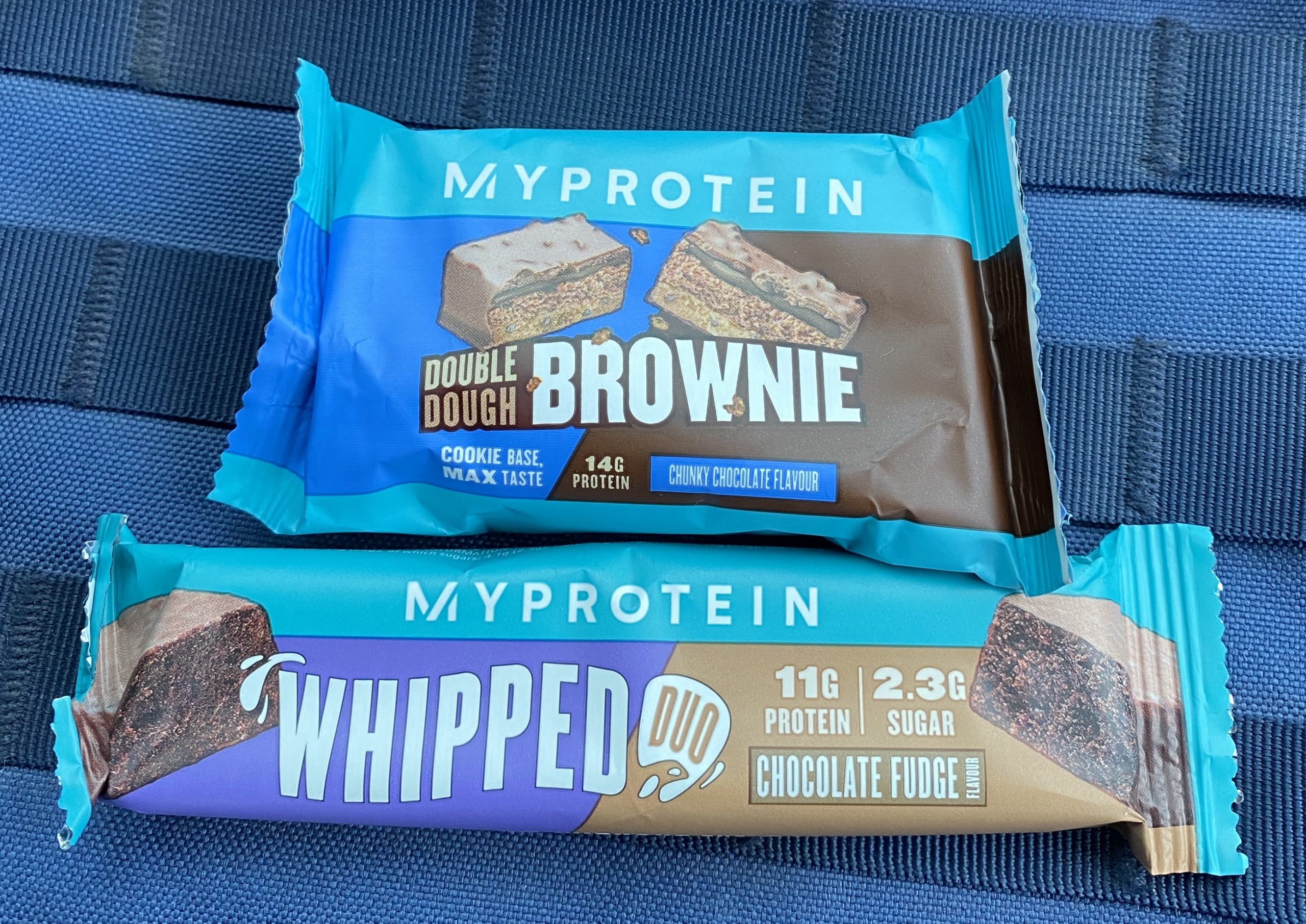
Protecting Your Teeth During a Bulk
A few things that may help. Rinse with water after sugary meals rather than brushing straight away, since brushing on recently acid-exposed enamel can actually accelerate erosion. Use a fluoride mouthwash daily to support remineralization. Choose lower-sugar calorie sources where you can, and don’t skip routine checkups during an extended bulk phase.
Two additions worth knowing about that almost never come up in fitness content.
The first is cheese. It sounds counterintuitive given that dairy is often treated as just a protein and fat source, but cheese is alkaline and actively raises the pH inside your mouth after eating. Your mouth becomes acidic after sugar exposure, and that acidic environment is what breaks down enamel over time. Cheese works against that process by neutralizing the acid and creating conditions where enamel can partially remineralize. Hard cheeses like cheddar tend to have the strongest effect. Having a small amount after a high-sugar meal or snack is not just adding calories to your bulk, it is doing something genuinely useful for your oral environment.
The second is xylitol. It is a sugar alcohol found in certain chewing gums, mints, and oral care products, and it behaves very differently from regular sugar inside your mouth. The bacteria responsible for tooth decay cannot ferment xylitol into acid the way they do with glucose or fructose. Beyond being neutral, xylitol appears to actively inhibit the growth of the bacteria most responsible for cavities. Chewing xylitol gum after meals, particularly after high-sugar ones, is one of the more practical and underrated habits you can build during a bulk. It takes about thirty seconds and costs almost nothing. Dr. Ellie Phillips, a dentist who has written extensively on xylitol and oral pH management, is worth looking up for anyone who wants to go deeper on this topic.
Neither cheese nor xylitol replaces brushing, fluoride, or routine dental visits. But for someone running a dirty bulk and taking in significant daily sugar, they are easy low-effort additions that work with your oral biology rather than against it. Most people in a serious bulk are already thinking carefully about what they put in their body from a performance standpoint. Applying some of that same intentionality to oral health costs very little and can save a significant amount in dental work down the line.
What Happens to Your Insulin Sensitivity
Beyond the teeth, a sustained high-sugar diet appears to degrade insulin sensitivity over time. That’s worth paying attention to, because insulin is one of the key hormones involved in muscle building.
When insulin sensitivity is good, glucose and amino acids get shuttled into muscle cells efficiently. When it starts to decline, which tends to happen under chronic calorie and sugar excess, more of what you eat ends up stored as fat. You’re eating more and potentially getting less out of it. That’s arguably the central paradox of the dirty bulk approach.
The Fat Is Harder to Lose Than You’d Expect
Most fitness content glosses over this part. The fat you accumulate during a dirty bulk isn’t easy to shift in a subsequent cut. Studies on body composition suggest that muscle gain rates between a controlled surplus and a dirty bulk are fairly similar. The difference shows up in fat accumulation, which can be two to three times higher on a dirty bulk.
Fat cells created during a hypercaloric phase don’t disappear when you cut. They shrink, but they remain, and they tend to make future bulk and cut cycles progressively harder. The muscle gain is roughly the same either way. The cleanup afterwards is not.

The Cardiovascular Side of Things
Worth flagging, even briefly. Extended dirty bulks that rely heavily on processed food consistently show up in research associated with elevated triglycerides, higher LDL cholesterol, and increased resting blood pressure. These aren’t just aesthetic concerns. Spending several months in a large surplus built on processed food carries a cumulative cardiovascular load that’s worth factoring in.
So Who Does Dirty Bulking Actually Make Sense For?
Honestly, not many people. But there are two groups where a more aggressive surplus may be appropriate.
Very lean beginners, people under roughly 10 percent body fat who have never trained seriously, are in a window where the body is well primed to partition extra calories toward muscle. Fast metabolisms and high insulin sensitivity work in their favor.
The other group is genuine hardgainers: people who have a documented history of struggling to gain weight regardless of how much they eat. For them, the priority is getting calories in. Food quality becomes secondary to total volume.
Even in both cases, the dental and metabolic considerations above still apply. Eating more doesn’t have to mean eating exclusively from the processed food aisle.
What Actually Works Better: A Controlled Surplus
The research on this is fairly consistent. A modest surplus of around 200 to 300 calories above true maintenance produces nearly the same muscle gain as a dirty bulk, with significantly less fat accumulation. Paired with adequate protein, somewhere between 0.7 and 1 gram per pound of bodyweight, and mostly whole food sources, a lean bulk gets you to the same destination without the metabolic drag, the fat to cut through afterwards, or the dental repair bill.
Final Thought
The dirty bulk is popular because it’s easy, not because it’s particularly smart. It trades short-term convenience for longer-term problems: excess body fat, reduced insulin sensitivity, cardiovascular strain, and dental damage that builds slowly and often goes unnoticed until it becomes expensive to fix.
A smarter calorie surplus gets you to the same place with far fewer consequences. Your waistline, your bloodwork, and your teeth will likely all be better for it.
Published by
